




Sananga: Amazonian Eye Drops That Change the Way You See
There is something in the Amazonian tradition that the Western mind struggles to accept: the idea that the eyes are not simply organs of sight. That they are windows, not only outward but also inward. That the way we see the world is inseparably tied to what we carry within ourselves. And that cleansing the eyes can sometimes mean cleansing something much deeper.
Sananga grows from precisely this understanding. These Amazonian eye drops are increasingly known and used outside the Amazon, but they are deeply rooted in the traditions of indigenous Brazilian and Peruvian tribes that have passed this knowledge down through generations. Before exploring how sananga works and how to use it, it helps to understand where it comes from and what it truly represents.
Where Does Sananga Come From?
Sananga is an extract from the roots and bark of the Tabernaemontana undulata shrub, a plant that grows in the tropical rainforests of the Amazon. It is prepared by shamans and plant specialists who have spent centuries refining their extraction and dosing techniques. Different tribes use their own methods and proportions, which is why sananga varies considerably in strength and composition across producers.
The group most responsible for bringing sananga to Western practitioners is the Huni Kuin (Kaxinawa) people from the Brazilian state of Acre, though its use spans far wider across Amazonian cultures. Traditionally, sananga was used by hunters to sharpen their vision and help them see game more clearly through the dense forest. Over time its use expanded, becoming a tool for energetic cleansing, spiritual work, and ceremony.
How Does Sananga Affect the Eyes?
When the drops enter the eyes, the immediate reaction is intense. A sharp burning sensation appears, typically described as stinging or a deep ache, lasting anywhere from several seconds to a few minutes depending on the strength of the sananga and the individual's sensitivity. The eyes water heavily. For many people, this is the first and highest barrier to working with this tool.
But after the intensity subsides, something shifts. Users consistently describe a sharper, deeper, richer quality of vision. Colors seem more saturated. Edges feel crisper. In the context of the hunting tradition, this has a very practical meaning. In the context of contemporary spiritual practice, it tends to be experienced more broadly as a greater clarity of perception, not only physical but also internal.
What Science Says About Sananga
On a physiological level, the active compounds in sananga interact with the visual receptors and the mucous membrane of the eye. Some researchers point to possible anti-inflammatory and purifying effects on the eyes themselves, though research in this area remains limited. What is interesting is that the Amazonian tradition has long applied sananga to various eye conditions, even while the ceremonial and spiritual dimension was always considered primary.
Sananga and Spiritual Work
In ceremonial contexts, sananga often precedes or accompanies other plant medicines such as ayahuasca or rapé. It is understood to help clear a person's energetic field, particularly the region connected to perception and vision, both external and internal.
Shamanic tradition describes sananga as a means of removing what is known in Quechua as panema: a state of energetic heaviness, bad luck, fog, and disconnection. Panema manifests in how a person sees themselves and the world, with difficulty, through a veil, with the persistent sense that something is being missed. Sananga is said to lift that veil.
Many contemporary users who have no connection to any specific tradition describe a sense of emotional release following sananga: tears that come from somewhere deeper than the burning itself, a feeling of lightness, a sharper sense of presence in the here and now. Experiences are highly individual and depend on intention, mindset, setting, and what a person brings with them in that particular moment.
How to Use Sananga
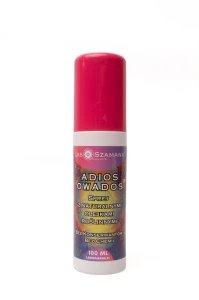
Sananga is typically sold in small dropper bottles. Before use, it helps to warm the bottle gently in your hands or leave it somewhere warm for a few minutes, since cold drops intensify the sensation considerably.
Lie on your back or sit with your head tilted slightly back. With one hand, gently pull down your lower eyelid, then use the other hand to apply one drop to the inner corner of the eye. Allow the drop to spread across the surface of the eyeball before blinking. Then apply sananga to the other eye.
Breathe slowly and steadily throughout the intense phase. Do not fight the sensation: it is an important part of the process. Stay still, ideally in silence with your eyes closed, for a few minutes after application.
Dosage
Dosage typically begins with one drop per eye. More experienced users may work with two or three drops per session, but there is no need to rush that process. Every encounter with sananga is different, and it is worth taking time to understand how it affects you before increasing the amount.
Frequency and Intention
Sananga is not something to apply every day without reflection. The Amazonian tradition treats it as a tool for ceremonial cleansing and intentional work. Many people use it once a week, once a month, or at specific moments when they feel an inner need for clearing, a fresh perspective, or a break from stagnation.
Before each session, it is worth sitting quietly for a moment and reflecting on your intention. What do you want to see more clearly? What do you want to release? The intention does not need to be elaborate. Something as simple as "I want to be more present" or "I want to feel peace" is enough. That brief moment of focus changes the entire experience.
Who Should Avoid Sananga
Sananga, though natural, has a strong physiological effect and should be approached with care. People with serious eye conditions, those who have had recent eye surgery, or those with an active infection in the eye should consult a specialist before use. Pregnant and breastfeeding women should avoid sananga.
Always purchase sananga from reliable sources that can confirm the authenticity of the product and demonstrate responsible collaboration with Amazonian producers. Quality and freshness are directly relevant to both safety and effectiveness.
In Closing
Sananga is a tool that asks for a particular kind of courage: not the heroic kind, but the simpler readiness to look. To allow, for a moment, an intensity that gives way to something cleaner. For many people, that exchange is precisely what they were searching for. They just did not know they were looking for a tool for the eyes.