




Understanding Myrrh
The term myrrh may not be well-known to all, and the process by which this prized resin is harvested might be even less understood. Myrrh is a fragrant resin sourced from specific balsam family trees and shrubs. The best quality myrrh is derived from the myrrh balsam tree (Commiphora abyssinica), predominantly found in Africa and the Middle East, including Rwanda, Kenya, Somalia, and Ethiopia. Nonetheless, myrrh can be sourced from various balsam family members, potentially affecting the resin's ultimate quality. "Myrrh" originates from Semitic languages, signifying "bitter," and is identified by biblical scholars as the source of the myrrh frequently mentioned in Christian scripture.
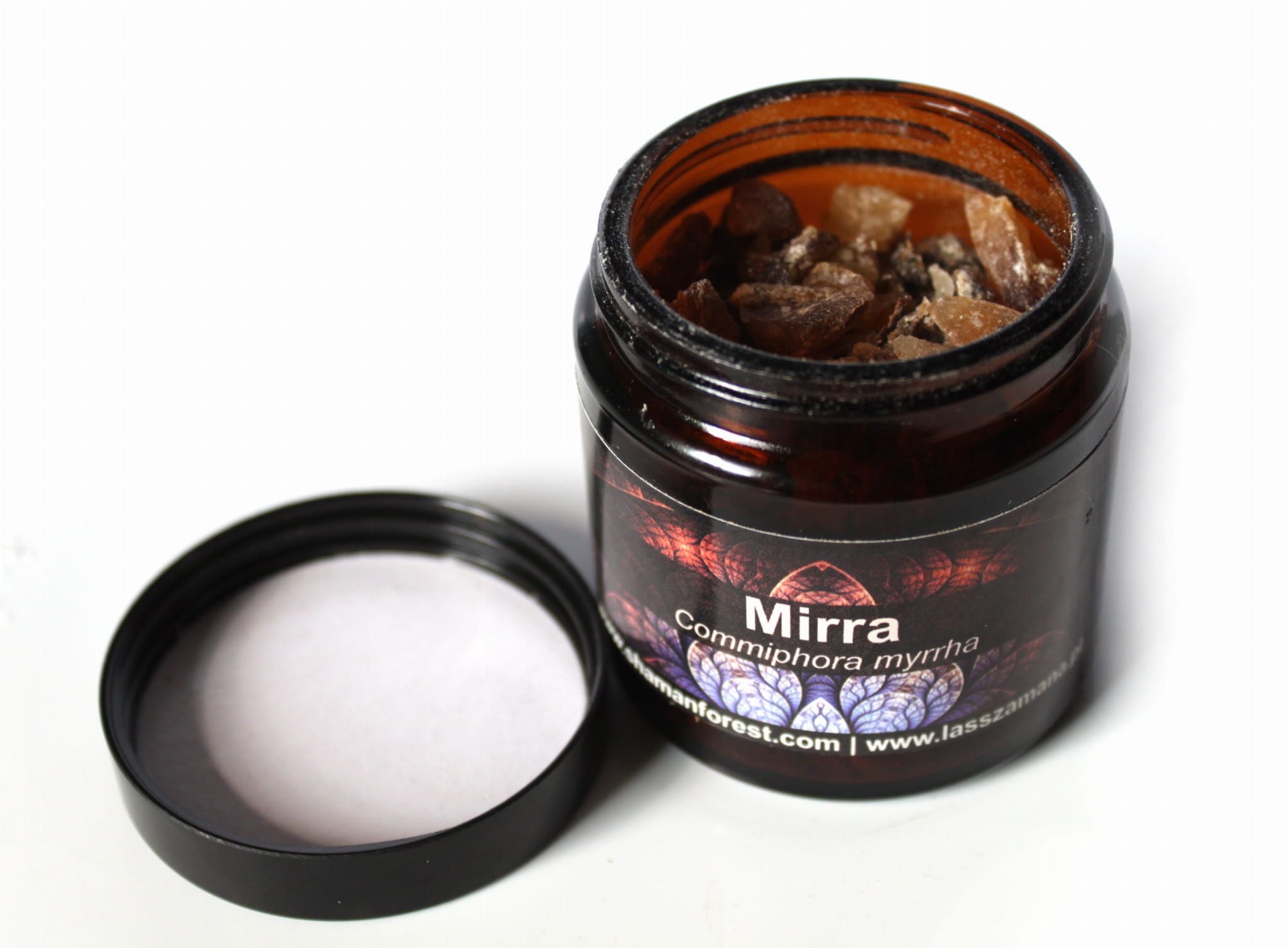
Myrrh's texture is akin to that of thick crystallized honey, noted for its somewhat bitter flavor that recalls aromatic spices, most notably cinnamon. It boasts a particularly strong fragrance, enriched with essential oils, often likened to a mix of cinnamon and citrus.
Generally, myrrh seeps naturally from balsam trees, eliminating the need for bark incisions. Nonetheless, incising the bark can increase resin yield, a common practice that may, however, degrade myrrh's quality. Myrrh that seeps out naturally forms into clumps with a reddish-brown or orange tint, in contrast to the typically darker myrrh harvested through bark incision.
The Historical Uses of Myrrh
Historically, myrrh assumed a more pivotal role than it does in contemporary times, serving as a cherished offering among the societal elite up to the 14th century. Its significance was partly anchored in the Christian tradition of gifting myrrh to Christ upon His birth in Bethlehem. Thus, myrrh held a value comparable to precious gems and gold, symbolizing utmost respect in its presentation.
Offering myrrh denoted wealth and elevated social rank of the presenter. Moreover, myrrh oil's use in embalming the dead signified reverence and affection for the departed. Traditionally, myrrh also found medicinal applications as a remedy, particularly for treating conditions of the digestive, reproductive, and respiratory systems, beneficial for those with asthma or gastric issues. Additionally, this resin was prized for oral hygiene, though it was affordable to only a select few.
Contemporary Applications of Myrrh
Increasingly prevalent in the cosmetic sector, myrrh oil is utilized in crafting creams and balms for full-body application.
It's especially advocated for aging skin prone to wrinkles, owing to its smoothing effect and ability to facilitate collagen restoration in the skin.
Additionally, myrrh continues to be integral in religious ceremonies, primarily within Christian congregations, where myrrh incense, alongside the oil, is highly regarded.
Myrrh's significance stems from its distinct physical and mystical attributes, establishing it as a remarkable material. As a potent antioxidant verified by scientific research,
it shields the body from the detrimental impact of free radicals, implicated in skin aging and cancer genesis. Hence, myrrh serves as a formidable defense against these perils.
Furthermore, myrrh's antibacterial and antifungal qualities have facilitated its use in healing persistent wounds, and it's currently incorporated in acne treatment products.
Myrrh can also mitigate symptoms associated with hypothyroidism.
Defining Characteristics of Myrrh
Without its distinct characteristics, myrrh would not be as highly valued as it is. It garners interest for its both tangible and spiritual qualities.
Predominantly known as a significant antioxidant, research underscores its role in protecting the body against noxious free radicals that lead to skin aging and cancer development.
Therefore, myrrh acts as a protective barrier against such threats.
Its antibacterial and antifungal properties also underscore its medicinal use in addressing difficult wounds. Presently, myrrh is employed in treating rosacea and common acne, besides aiding in relieving hypothyroidism symptoms.
Valued in Ayurvedic medicine and for its calming properties, the scent of burned myrrh provides relief in stress, depression, or anxiety situations. Nonetheless, it is recommended as a supplementary treatment, with professional medical advice sought for illnesses.