





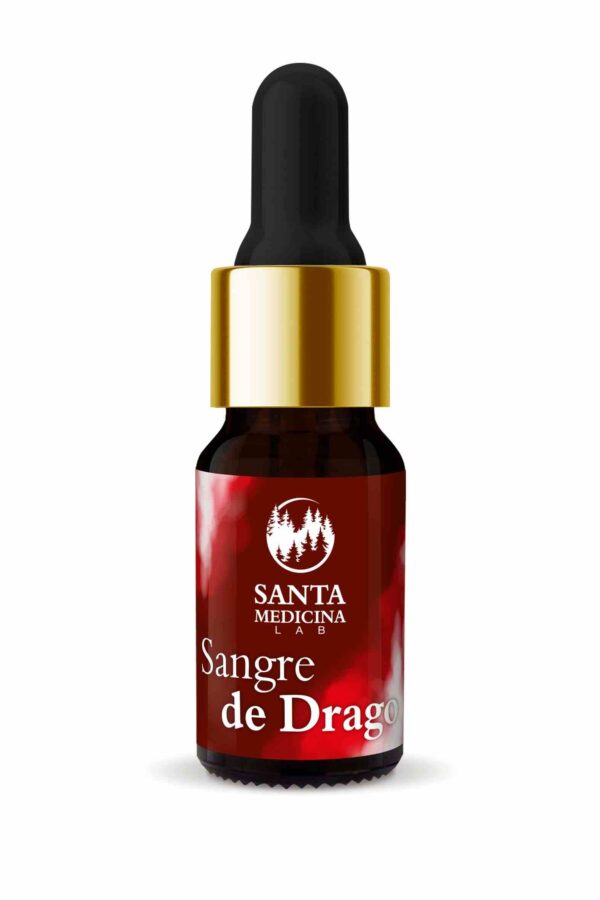
Exploring Sangre de Drago
A specific species of plant, widely recognized as dragon's blood, is notable not just for its botanical classification but primarily for the natural resin it secretes.
This botanical extract has been traditionally employed to enhance the wound healing process, and its resurgence in popularity, particularly in Western countries, stems from its potential therapeutic properties and associated risks, detailed further in our article.
Does dragon's blood have any connection to dragons?
At least three unique names exist for this term, reflecting the linguistic evolution across different Spanish dialects in South America. It's referred to as sangre de drago in Ecuador, sangre de grado in Peru, and sangre de grada in Bolivia.
Plants from the genera Croton, Dracaena, Daemonorops, Calamus rotang, and Pterocarpus are sources of dragon's blood. It was once believed their natural resin was the literal blood of mythical beasts. This botanical substance was recognized in the ancient cultures of Rome and China, and by the indigenous populations of the Amazon. The Judeo-Christian realm was introduced to dragon's blood in the 15th century through discoveries made by sailors on the Canary Islands, where it was harvested from the Dracaena draco plant and sold as dried drops resembling the deep hue of blood.
A significant number of plants yielding dragon's blood are found in South America, home to as many as seven species within the Croton genus, distributed across Brazil, Peru, and Ecuador, to name a few locations.
Notably, Croton lechleri is commonly identified as dragon's blood.
In deference to the beliefs of South America's indigenous peoples, the historical existence of dragons or the derivation of dragon's blood as a resin will not be debated here.
Sangre de Drago – Uses and Medical Advantages
We will instead highlight the attributes of dragon's blood, which owes its health advantages to bioactive compounds, offering antioxidant and anti-inflammatory benefits.
The healing attributes of dragon's blood, particularly in facilitating wound repair, have been esteemed for ages. Its application on cuts, burns, or abrasions can stimulate skin renewal, diminish inflammation, and provide anti-aging benefits.
Furthermore, its natural antibacterial qualities make dragon's blood suitable for disinfecting wounds, and it plays a pivotal role in the treatment of diarrhea, aiding in the regulation of intestinal water excretion.
Early research also hints at dragon's blood's potential anticancer properties by promoting apoptosis, which may contribute to the shrinkage of tumors.
Throughout history, dragon's blood has been utilized not only by the indigenous tribes of South America but also by the ancient Romans, as both a dye and for medicinal purposes.
Presently, it finds use in alternative healthcare practices and neopagan rituals, though comprehensive research is needed to fully validate its health-promoting claims.