


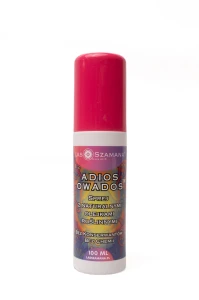


Rapé Poyanawa Jagube is a finely ground ceremonial powder associated with the Poyanawa (also written Puyanawa) people of Acre, Brazil, in which the jagube vine (Banisteriopsis caapi) is the defining botanical, usually paired with the aromatic puxuri seed. The key distinction is that this blend is known for a steady, grounding character rather than a sharp, overwhelming one. Practitioners describe it in terms of strength, stamina, and a clean, spicy aroma.
Who the Poyanawa Are
The Poyanawa live mainly in the Poyanawa Indigenous Territory near the town of Mâncio Lima, in the far west of the Brazilian state of Acre, close to the Peruvian border. Their language belongs to the Pano family, which also includes the languages of neighboring peoples such as the Yawanawá, Shanenawa, and Huni Kuin.
Their recent history is not a romantic one, and it matters for understanding why their ceremonial practice looks the way it does today. In the early twentieth century, during the rubber boom, the Poyanawa were forcibly settled to work on a rubber estate. Over the following decades their language and many ceremonial practices were suppressed, and only a small number of elders kept the language alive. Since the late twentieth century the community has worked to revive their language, songs, and plant traditions, and the renewed preparation and sharing of rapé is part of that cultural recovery.
When you hold a blend labeled Poyanawa, you are holding something tied to a living people who are still rebuilding what was nearly lost. That context should shape how it is approached: with patience and care, without treating it as a novelty.
What Gives Rapé Poyanawa Jagube Its Strength, Stamina and Cleansing Aroma
Jagube: the vine at the center
Jagube is the name used in Acre and in Brazilian ceremonial traditions for Banisteriopsis caapi, the woody vine best known as one of the two plants traditionally used to prepare ayahuasca. In a rapé blend, the vine is typically dried, ground, or reduced to ash and then sifted together with other ingredients into a very fine powder. Exact preparation methods vary by family and are not always shared publicly, which is their right.
The vine contains beta-carboline alkaloids, chiefly harmine, harmaline, and tetrahydroharmine. These compounds have been studied for decades and are known to act as monoamine oxidase inhibitors. That is a pharmacological fact worth knowing for safety reasons (see the boundaries section below). It does not mean a small amount of rapé recreates an ayahuasca experience, and it should not be approached that way.
In ceremonial language, jagube is often called a vine of force and endurance. Practitioners who work with this blend tend to describe a slow, rooted steadiness rather than a quick spike. That is where the "strength" and "stamina" in the name come from: they describe a traditional character and felt quality, not a performance promise.
Puxuri: the cleansing aroma
Puxuri (also spelled pixuri or puchury) refers to the aromatic seed of Licaria puchury-major, a tree in the laurel family native to the Amazon. Grated, it smells warm and spicy, somewhere between nutmeg, sassafras, and a soft camphor note. In Amazonian folk practice it has long been valued for its fragrance and used in protective and cleansing contexts.
In this blend, puxuri gives the first impression. Many people notice the aroma before anything else: a bright, clearing scent that rises quickly and then settles into the deeper, earthier tone of the vine. Some sellers describe puxuri as "leaves," but the classic aromatic material is the seed. If you ever see conflicting descriptions, that is a fair question to ask the supplier.
Medium strength, honestly described
Poyanawa Jagube is usually placed in the medium range. In practice, "medium" means it is noticeable and warming but not usually felt as harsh. Strength also varies from batch to batch, since these are hand-prepared, small-quantity blends. Treat every new pouch as new until you know it.
Working With the Aroma Before the Powder
Many people rush straight to the applicator. A slower approach, and one that respects the blend's aromatic nature, is to begin with scent alone.
- Open the pouch and wait. Hold it a short distance from your face and breathe normally. Notice the puxuri top note, then the darker, woody base. This is a simple way to get to know a batch before using it.
- Keep a small daily pouch. Some practitioners transfer a modest amount into a small cloth or leather pouch for daily grounding. Even without application, opening it for a few breaths can mark the start of a meditation or the end of a work day.
- Pair with one resin or wood, not five. Copal or a sustainably sourced palo santo stick can prepare the space. Burn briefly, then let it go out. If you use essential oils in a diffuser, choose one gentle note such as cedarwood or a light citrus, and keep it low. Strong layered scents compete with the puxuri and blur what you are actually sensing.
- Less is more. The aromatic tradition that European diffuser shops describe as "weniger ist mehr" applies here too. A quiet room and one clear scent will teach you more than a crowded altar.
A Simple, Grounded Way to Practice
Traditional application is done with a kuripe (a V-shaped self-applicator) or a tepi (a longer pipe used when one person serves another). Competitor guides cover technique at length; the essentials are short.
- Set an intention you can state in one sentence. Grounding, steadiness for a long day, or closing a chapter are all fine. Vague intentions tend to produce vague attention.
- Start with a very small amount. Roughly the size of a lentil per side is a common beginner reference. You can always do more on another day.
- Sit afterward. Stay seated and breathe through the nose for several minutes. Let watering eyes or a runny nose pass without fighting them. Have tissues and water nearby.
- Close deliberately. A glass of water, a few slow breaths, and perhaps a short walk outside. Some people write a line or two about what they noticed.
- Clean your tools. Wipe the kuripe or tepi after use and store it dry. Shared tepis should be cleaned between people.
Ritual Boundaries and Sensible Cautions
Respectful practice includes knowing where the edges are.
- Medication interactions. Because B. caapi contains MAO-inhibiting alkaloids, anyone taking prescription medication, especially antidepressants or other drugs that affect serotonin, should speak with a qualified clinician before using any jagube-containing product.
- Not a substitute for care. This blend is traditionally used for grounding and ceremony. It is not a treatment for any condition, and it should not replace professional help.
- Pregnancy, breastfeeding, and minors. Avoid use.
- Do not combine casually. Mixing jagube rapé with other psychoactive substances, or improvising an ayahuasca-like session at home, ignores both safety and the context in which these plants are traditionally held.
- Do not claim lineage you do not have. Using a Poyanawa blend does not make anyone a Poyanawa practitioner. Avoid naming yourself a shaman, pajé, or facilitator of their tradition.
- Know your local laws. Regulations on botanicals containing beta-carbolines differ by country.
Choosing a Blend With Care
Ethical sourcing is not just a marketing line for a people whose culture was nearly erased within living memory. When choosing a Poyanawa blend, look for a supplier who can say which community or family it comes from, who prepares it, and how the community benefits. Fair benefit-sharing with Indigenous knowledge holders is also the principle behind international frameworks such as the Nagoya Protocol.
If you would like to explore ceremonial blends, applicators, and aromatic companions chosen with this kind of care, you can browse the collection at Rapé Shop. Start small, learn one blend well, and let the aroma teach you before anything else does.
In shop practice, anchor the habit in concrete products: mint essential oil, patchouli essential oil, Forest Pouch. Compare labels in the same language and product form.
Sources
- Instituto Socioambiental (ISA), Povos Indígenas no Brasil, entry "Puyanawa" (ethnographic profile covering territory, rubber-era history, and language revitalization).
- McKenna, D. J., Towers, G. H. N., and Abbott, F. (1984). "Monoamine oxidase inhibitors in South American hallucinogenic plants: tryptamine and beta-carboline constituents of ayahuasca." Journal of Ethnopharmacology, 10(2), 195 to 223.
- Schultes, R. E., and Hofmann, A. Plants of the Gods: Their Sacred, Healing, and Hallucinogenic Powers (1979; revised edition 2001), Healing Arts Press. Chapter on Banisteriopsis caapi.
- Secretariat of the Convention on Biological Diversity (2010). Nagoya Protocol on Access to Genetic Resources and the Fair and Equitable Sharing of Benefits Arising from their Utilization.
- United Nations (2007). Declaration on the Rights of Indigenous Peoples, especially Article 31 on cultural heritage and traditional knowledge.