


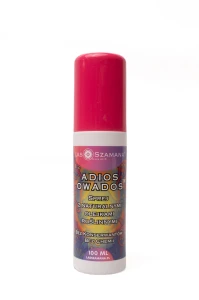


Adios Owados is a botanical aromatic made for the spaces where you live and gather: a patio at dusk, a garden bench, a room with the windows open. Its plant scents are meant to make insects less interested in lingering. The key distinction is simple. An environmental aromatic shapes the scent of a space. It is not the same as a registered personal insect repellent, and it should not replace one where insect-borne illness is a real concern. Keeping that line clear is what lets you use it well.
Adios Owados: Natural Harmony for Your Environment, Explained Plainly
The name is playful. "Adios" is a goodbye, and "owady" is the Polish word for insects. The idea behind it is old. People in many parts of the world have kept insects at a distance with aromatic plants: smoldering leaves at the edge of a camp, resin burned in a doorway, bundles of strong-smelling herbs hung near sleeping areas. Adios Owados brings that idea into a modern, measured form for home and garden use.
What it is not matters just as much. It is not a medicine, it is not a substitute for screens or nets, and it is not a product to apply to skin unless its label says so. Read the label for its exact ingredients and directions. This article explains the plant traditions and practical habits around it, not claims the label does not make.
How Plant Scents Influence Insects
Many plants produce volatile aromatic compounds, partly as a defense. Some of these molecules interfere with the way biting insects find a host. Mosquitoes, for example, track carbon dioxide, body heat, and skin odors. Strong botanical scents can mask or confuse those signals for a while.
Several plant materials appear again and again in botanical insect products:
- Citronella (from Cymbopogon grasses), probably the best known, with a sharp, lemony scent.
- Lemongrass, a close relative of citronella, widely used in Southeast Asian homes and kitchens.
- Geranium and rose geranium, with a green, slightly floral profile.
- Lavender, traditionally tucked into linens and wardrobes to deter moths.
- Cedarwood, long used in closets and chests for the same reason.
- Peppermint and clove, both strong and quickly noticeable.
Here is the honest part. Published reviews of plant-based repellents generally find that most essential oils work for a shorter time than synthetic repellents because the aromatic molecules evaporate quickly. One notable exception is oil of lemon eucalyptus, or its refined compound PMD, which public health agencies recognize as a registered personal repellent. For atmosphere and light deterrence in a space, botanical scents are pleasant and reasonable. For travel to areas with mosquito-borne disease, follow public health guidance and use an EPA-registered repellent.
Why the Distinction Protects You
In the United States, the EPA allows certain low-risk ingredients, including citronella, cedarwood, lemongrass, geranium, and peppermint oils, to be sold without full pesticide registration under what is called the minimum risk exemption. That tells you the ingredients are considered low risk. It does not tell you how well or how long a given product works. Treating a botanical aromatic as an environmental comfort, rather than as protection, keeps your expectations realistic.
Smoke, Resin, and Respect: The Ceremonial Background
Aromatic smoke has served practical and spiritual purposes at the same time in many cultures. Copal resin, burned for centuries in Mesoamerica, was offered in temples and homes alike. In the Andes and along the Pacific coast of South America, the fragrant wood of palo santo (Bursera graveolens) has a long history of use in household and ceremonial settings, and people still note that its smoke tends to keep insects away. In Amazonian communities, smoke from fires and certain leaves has long been part of daily life at the forest edge.
It helps to hold these traditions with care. They belong to specific peoples with their own meanings, and they are not a style to borrow. A respectful approach looks like this:
- Learn where a material comes from and who has used it, rather than treating it as generic "cleansing."
- Choose responsibly sourced materials. Ethical palo santo comes from naturally fallen wood, ideally with replanting programs behind it.
- Do not present household use as a sacred ceremony you were never taught. Simple, honest intention is enough.
Using Adios Owados on your porch is not a ritual in the traditional sense. It can still be a grounding habit: a moment of noticing the evening, opening the space, and choosing plant scents over harsher options.
A Measured Practice for Home and Garden
Aroma shops in Europe often repeat a useful rule: less is more. Strong scents tire the nose quickly, can irritate people and pets, and do not work better simply because there is more of them.
Outdoors
- Place the aromatic upwind of where you are sitting so the scent drifts across the space instead of away from it.
- Use it alongside simple physical measures: empty standing water from saucers and buckets, and keep a small fan running, since many mosquitoes are weak fliers.
- Start shortly before dusk, when many biting insects become active.
Indoors
- Keep rooms ventilated. Aromatics belong in moving air, not sealed spaces.
- Begin with the smallest amount the label allows. You can always add, but you cannot take scent back out of a room.
- Keep window screens in good repair. No scent replaces a barrier.
If You Pair It with Incense or Oils
Some people like to combine a botanical aromatic with resin incense or a diffuser in the evening. If you do, choose one dominant scent and keep the others light. A room that smells of five things at once is tiring, and it becomes hard to notice what each plant actually brings.
Safety Boundaries Worth Keeping
Natural does not automatically mean harmless. Essential oils are concentrated, and responsible use follows a few clear limits:
- Pets: Cats are especially sensitive to many essential oils because their livers process certain compounds poorly. Birds have delicate respiratory systems. Keep diffused or burned aromatics away from both, and give animals a way to leave the room.
- Children and pregnancy: Use extra caution and follow the label. When unsure, keep aromatics outdoors only.
- Skin: Do not apply environmental products to skin unless the label specifically allows it. Undiluted oils can cause irritation or sensitization.
- Fire: Never leave burning incense, resin, or candles unattended, and keep them away from fabric and dry plants.
- Breathing: People with asthma or scent sensitivity may react to strong aromatics or smoke. Ventilate and stop if anyone feels unwell.
Who It Suits, and Who Should Look Elsewhere
Adios Owados suits people who want a gentler, plant-based scent around the home and garden, who enjoy evening rituals of slowing down, and who already take basic steps like screens and clearing standing water. It is a comfort tool and an atmosphere tool.
If you are hiking in tick country, traveling where mosquito-borne illness is common, or caring for someone at higher risk, rely on public health guidance first. The CDC recommends EPA-registered repellents for those situations, and that advice deserves priority over any scent.
If this measured, plant-centered approach fits the way you like to care for your space, you can find Adios Owados at Rapé Shop, with full ingredient and usage details on the product page. Use a little, open a window, and let the evening be what it is.
In shop practice, anchor the habit in concrete products: mint essential oil, patchouli essential oil, Forest Pouch. Compare labels in the same language and product form.
Sources
- Centers for Disease Control and Prevention (CDC), Preventing Mosquito Bites, guidance on EPA-registered repellents including oil of lemon eucalyptus and PMD.
- U.S. Environmental Protection Agency (EPA), Minimum Risk Pesticides under FIFRA Section 25(b), list of exempt active ingredients such as citronella, cedarwood, lemongrass, geranium, and peppermint oils.
- Maia, M. F. and Moore, S. J. (2011). Plant-based insect repellents: a review of their efficacy, development and testing. Malaria Journal, 10 (Suppl 1): S11.
- Tisserand, R. and Young, R. (2014). Essential Oil Safety: A Guide for Health Care Professionals, 2nd edition. Churchill Livingstone.
- International Fragrance Association (IFRA), IFRA Standards, ongoing safety standards for fragrance materials including essential oils.