


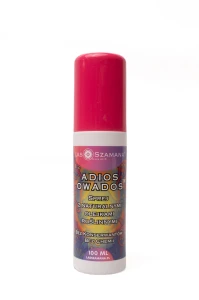


A ylang ylang essential oil diffuser practice means dispersing the steam-distilled oil of Cananga odorata flowers into a room for a set time and purpose. What sets ylang ylang apart from gentler oils like lavender or sweet orange is intensity. A dose that feels pleasant for most essential oils can feel heavy and cloying with ylang ylang, so the practice starts with fewer drops and shorter run times than most people expect.
Where ylang ylang comes from
Ylang ylang is a tropical tree in the custard apple family (Annonaceae), native to the Philippines and parts of Indonesia. Today much of the essential oil traded worldwide comes from the Comoros islands, Madagascar (especially Nosy Be), and Mayotte. The long, drooping yellow flowers are picked by hand, often early in the morning when their scent is strongest, and then steam distilled.
Before ylang ylang reached perfume houses, it had local uses. In Indonesia, the flowers are traditionally scattered on the bed of newlyweds. Across island Southeast Asia, the blossoms have been worn in the hair, steeped in coconut oil for skin and hair, and placed in homes for their fragrance. In 19th century Europe, ylang ylang was a key note in Macassar hair oil, which is why the antimacassar, a cloth placed over chair backs to protect upholstery, got its name.
We share this history because the scent comes from real places and real labor. The same principle guides our approach to Amazonian plant tradition education: learn where a material comes from before you build a personal ritual around it.
Grades: why two bottles of ylang ylang smell different
Ylang ylang is one of the few essential oils sold in distillation fractions. The distiller collects oil at different points during a long distillation, and each fraction has its own character. The international standard for the oil, ISO 3063, describes these grades:
- Extra: the first fraction. It is the brightest, sweetest, and most diffusive, with strong top notes from compounds like benzyl acetate, methyl benzoate, and p-cresyl methyl ether. Perfumers prize it, and it is the most powerful in a diffuser.
- I and II: middle fractions. They are a little less sharp and more rounded.
- III: the last fraction. It is heavier and woodier, with more sesquiterpenes such as germacrene D and beta-caryophyllene. It is often used in soaps and blends.
- Complete: the whole distillation in one oil, or fractions recombined. Many aromatherapy suppliers sell this grade because it gives the full arc of the scent.
This matters for dosing. Two drops of Extra can fill a room more than four drops of III. If you switch grades or suppliers, start at the lowest dose again instead of assuming the old drop count will work.
How many drops in a diffuser
Most home ultrasonic diffusers hold between 100 and 300 milliliters of water. For ylang ylang, a sensible starting point is:
- Small room or bedroom, about 100 to 150 ml of water: 1 drop.
- Living room, about 200 to 300 ml of water: 2 drops, sometimes 3 for a large or airy space.
- Run time: 15 to 30 minutes, then turn it off. Intermittent diffusion is widely recommended in aromatic safety literature because the nose adapts quickly. After a while you stop noticing the scent, even though the air is still full of it.
That adaptation is why people tend to overdose. You add a drop because you cannot smell it anymore, while someone walking in from outside finds the room overpowering. A useful habit is to step out for a minute and then come back in. Judge the room by the first breath, not the twentieth.
Many people find that a high concentration of ylang ylang brings on a headache or slight nausea. Treat that as a sign the dose is too high, not as something to push through. Lower the drops, shorten the time, or open a window.
Shared air: ask before you diffuse
A diffuser changes the air for everyone in the room, so a respectful practice starts with consent. Ask housemates or guests before you turn it on, and choose a room with a door you can open.
- Pets: Cats are especially sensitive to many essential oil compounds, and birds have delicate airways. Keep pets able to leave the room, and never diffuse in a closed space with a caged bird.
- Children: Use lower doses and shorter times, and store bottles out of reach. Ylang ylang can be harmful if swallowed.
- Pregnancy, asthma, or fragrance sensitivity: Check with a qualified health professional before regular use.
Ylang ylang also contains known skin sensitizers, including isoeugenol, benzyl benzoate, and geraniol. The International Fragrance Association (IFRA) sets limits on ylang ylang in fragrance products for this reason, and EU cosmetics rules require several of these allergens to be named on labels. That applies mostly to skin contact, but it is a good reason not to add undiluted oil to bath water or rub it on your wrists "just this once." If you want to use it on skin, follow the label, dilute well in a carrier oil, and patch test first.
Building a small evening practice
Ylang ylang has long been used to scent spaces for rest and closeness, and some people find it may support a softer, slower mood in the evening. It does not replace sleep, treat anxiety, or fix a hard day. What it can do is mark a transition, if you keep it simple.
Choose one clear purpose, such as closing the workday or winding down before bed. Choose one time and one room. Then keep the dose the same for two or three weeks so you can tell what the scent actually does for you, separate from the rest of your routine. If you change several things at once, like adding candles, a new tea, and three oils, you will not know which one helped.
Ylang ylang blends well with bright or woody oils that lighten its sweetness. A drop of a citrus or a resinous note alongside a single drop of ylang ylang often feels more balanced than ylang ylang alone. Keep the total drop count low and avoid stacking several heavy florals in the same session.
At the end of the session, turn the diffuser off, open a window for a few minutes, and rinse the reservoir. Residue builds up quickly with thick florals, and old residue makes the next session smell flat.
Storage and freshness
Keep the bottle tightly closed in a cool, dark place, ideally in amber or cobalt glass with an orifice reducer. Oxygen, heat, and light change the oil over time, and oxidized oils are more likely to irritate skin. Write the opening date on the label. A well-stored bottle of ylang ylang usually stays in good condition for a few years, but if it starts to smell sharp, flat, or sour, retire it.
Sourcing with care
Ethical botanical sourcing applies to florals as much as to ceremonial plants. In the Comoros, ylang ylang is largely produced by smallholder growers and distillers, and wood-fired stills have been linked to forest loss on islands like Anjouan. When you buy, look for suppliers who name the botanical species, the country of origin, the grade, and the distillation method. Clear labeling is a sign that someone along the chain is paying attention.
At Rapé Shop, our ylang ylang essential oil is offered for measured aromatic use, with the same respect we give every plant on our shelf. If you are building a small evening setup, you can pair it with a complementary oil from our aromatic range or explore a companion piece for your ritual space. Start with one bottle, one drop, and one clear purpose. You can always add more later. You cannot take scent back out of a room.
Sources
- ISO 3063:2004, Oil of ylang-ylang (Cananga odorata (Lam.) Hook. f. et Thomson forma genuina). International Organization for Standardization. iso.org
- Tisserand R., Young R. Essential Oil Safety: A Guide for Health Care Professionals, 2nd edition. Churchill Livingstone, 2014.
- Tan L.T.H. et al. "Traditional Uses, Phytochemistry, and Bioactivities of Cananga odorata (Ylang-Ylang)." Evidence-Based Complementary and Alternative Medicine, 2015. doi.org/10.1155/2015/896314
- International Fragrance Association (IFRA). IFRA Standards Library, entries for ylang ylang and related constituents. ifrafragrance.org
- Regulation (EC) No 1223/2009 on cosmetic products, Annex III (fragrance allergen labeling). eur-lex.europa.eu