




An essential oil chemotype is a chemically distinct population within a single plant species. The plants look the same and carry the same Latin name, yet they reliably produce a different dominant aromatic compound. The key distinction is this: the botanical name tells you which plant an oil came from, while the chemotype tells you what is actually in the bottle. Distillation is the step that turns that living chemistry into a liquid you can smell, and the way it is done can sharpen or blur what the plant offered.
For anyone who uses aromatic oils in grounding practice, a short evening ritual, or simply to understand the materials on their altar or shelf, this knowledge makes choices calmer and more deliberate. You stop buying a name and start choosing a character.
What an Essential Oil Chemotype Actually Is
Plants make volatile aromatic molecules for their own reasons: deterring insects, attracting pollinators, coping with heat and drought. Within some species, genetic lines settle into different chemical strategies. One population leans toward a sharp, phenolic molecule; another, growing a few valleys away, leans toward a soft, floral one. Botanists and the essential oil trade label these with the abbreviation ct. followed by the dominant compound, as in Thymus vulgaris ct. linalool.
Two points are worth holding apart:
- Chemotype is largely genetic. A thymol type thyme grown from a thymol line will generally stay thymol dominant, even if moved.
- Environment shifts proportions. Altitude, soil, rainfall, harvest season, and time of day can change how much of each compound appears, but usually within the range of the chemotype rather than flipping it.
Not every species has meaningful chemotypes. Many oils are sold simply by botanical name because their chemistry is fairly consistent. Where chemotypes do exist, though, ignoring them can mean the difference between a gentle oil and a far more assertive one.
Where Distillation Fits In
A chemotype describes the raw potential of the plant. Distillation decides how much of that potential reaches the bottle, and in what balance. Most essential oils are produced by passing steam through plant material. The heat and vapor release volatile compounds, which travel with the steam into a condenser, cool back into liquid, and separate from the water because oil and water do not mix. The water left behind, still lightly aromatic, is the hydrosol.
Three common methods, three different results
- Steam distillation: steam is generated separately and passed through the plant on a grid. This is the standard for lavender, rosemary, thyme, and many others.
- Hydrodistillation: plant material sits directly in boiling water. It is older and simpler, and often used for tough woods, seeds, or in small rural stills. Longer contact with hot water can alter some delicate molecules.
- Cold expression: citrus peels are pressed, not distilled. That is why a pressed bergamot or lemon oil can contain heavier, non-volatile compounds that a distilled version lacks. Absolutes and CO2 extracts are different again, produced with solvents or pressurized carbon dioxide rather than steam.
Time, temperature, and fractions
Lighter molecules leave the plant first; heavier ones follow later in the run. A short distillation therefore yields a brighter, top-heavy oil, while a long one pulls more of the deep, slow-moving compounds. Ylang ylang shows this openly: distillers collect it in fractions labeled Extra, I, II, and III, or combine them into a "complete" oil. Each fraction has a noticeably different scent profile, even though the flowers and the chemotype are the same.
This is why two honest producers, starting from identical plants, can sell oils that smell different. Neither is necessarily wrong. They simply made different choices at the still.
Three Plants That Make the Difference Clear
Thyme
Thymus vulgaris is the classic teaching example. Thymol and carvacrol types are sharp, warm, and strongly phenolic, and safety references advise more careful dilution for skin contact. Linalool, geraniol, and thujanol types are softer and rounder. All of them are sold as "thyme oil," which is exactly why the chemotype on the label matters.
Rosemary
Salvia rosmarinus (long known as Rosmarinus officinalis) appears as ct. 1,8-cineole, ct. camphor, and ct. verbenone. The cineole type smells clear and airy; the camphor type is more resinous and heavy; verbenone is softer and often more costly. The European Pharmacopoeia monograph for rosemary oil even describes separate Spanish and Moroccan types with different compositional ranges, which shows how seriously origin and chemistry are treated in formal quality standards.
Basil
Ocimum basilicum ct. linalool is floral and sweet, while the methyl chavicol (estragole) type has an anise-like edge. Safety literature handles estragole-rich oils more cautiously, so a vague label of "basil oil" leaves out information a careful buyer actually wants.
How to Read a Label Like Someone Who Knows
A well documented oil tells you enough to know what you are holding. Look for:
- Full botanical name, genus and species, not just a common name.
- Chemotype where the species has them (thyme, rosemary, basil, and others).
- Plant part used: leaf, flower, peel, wood, seed. Cinnamon leaf and cinnamon bark are very different oils.
- Extraction method: steam distilled, hydrodistilled, cold pressed, or CO2 extracted.
- Country of origin and, ideally, a harvest or batch reference.
- GC-MS report on request. Gas chromatography with mass spectrometry is the standard way to confirm what compounds are present and in what proportions. A supplier who can share one for a batch is giving you real evidence rather than adjectives.
Be cautious with words like "therapeutic grade" or "medical grade." These are marketing phrases, not recognized international standards. Real benchmarks exist, such as ISO standards that set compositional ranges for specific oils, but no single universal grading system covers all essential oils.
Bringing This Into Measured Aromatic Practice
Many traditions around the world have used aromatic plants to mark a threshold: the start of a quiet hour, a cleared room, a moment of attention before rest. Understanding chemotype does not make that practice more technical. It makes it more honest. When you know an oil is a soft linalool type rather than a sharp phenolic one, you can choose it for an evening wind-down with confidence, and use less of it.
A few grounded habits help:
- Less is more. In a diffuser, a few drops in a well ventilated room are usually enough. Strong scent is not a sign of better practice.
- Dilute for skin. Undiluted oils are concentrated plant chemistry. Use a carrier oil and follow a reputable safety reference, especially with phenolic chemotypes.
- Mind pressed citrus. Cold-pressed bergamot can contain bergapten, which is associated with photosensitivity on sun-exposed skin. Bergapten-free (FCF) versions exist for this reason.
- Store it well. Dark glass, tight caps, cool storage. Oxidation changes both scent and skin compatibility over time, particularly for citrus and pine-type oils.
- Keep context respectful. Borrowing a plant does not mean borrowing a ceremony. Aromatic practice can be personal and simple without imitating rituals that belong to specific peoples.
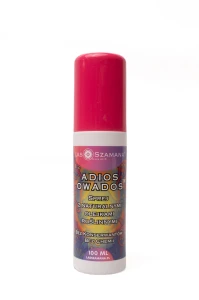
If you want to put this into practice, start with a single well documented oil such as our featured essential oil, and read its label against the checklist above before you open it. Smell it on a paper strip first, then in a lightly scented room, and notice how its character fits the time of day. For a slower, layered ritual, you can pair it with this companion aromatic or keep this grounding addition nearby for the close of your session. Choose one, learn it well, and let your understanding grow from there.
The Short Version
The plant name is the starting point. The chemotype tells you which chemical family that plant belongs to. Distillation method, duration, and fraction tell you how much of that chemistry reached the bottle. A trustworthy label states all three, and a trustworthy supplier can back them up with batch data. Once you read oils this way, you buy fewer, use less, and understand more.
Sources
- Tisserand, R. and Young, R. Essential Oil Safety: A Guide for Health Care Professionals, 2nd edition. Churchill Livingstone, 2014.
- Başer, K. H. C. and Buchbauer, G. (eds.). Handbook of Essential Oils: Science, Technology, and Applications. CRC Press, 2nd edition 2015, 3rd edition 2020.
- ISO 9235:2021, Aromatic natural raw materials: Vocabulary. International Organization for Standardization.
- ISO 4730:2017, Essential oil of Melaleuca, terpinen-4-ol type (tea tree oil). International Organization for Standardization.
- European Pharmacopoeia (Ph. Eur.), monographs for Rosemary oil and Lavender oil. European Directorate for the Quality of Medicines and HealthCare.