


 Currency
Free shipping
Menu
Currency
Free shipping
Menu
- Anti EMF
- COPPER VESSELS
- TUNING FORKS
- FOREST EXTRACTS
- CEREMONIAL RAPÉ®
- SHAMANIC SNUFF
- ASHES
- KURIPE, TEPI & ACCESSORIES
- SET
- AMBIL
- ChilcAmbil®
- ORMUS
- SANANGA®
- MATCHA
- 100% NATURAL COSMETICS by RAPEE.SHOP
- CEREMONIAL COCOA
- INCENSE
- FOREST TEAS AND HERBS™
- FOREST BOARDS SadhuPress™
- Suplements
- ADAPTOGENIC MUSHROOMS
- CHILCUAGUE
- KANNA
- PEPTIDES
- KAMBO
- TENSOR NECKLACE
- TENSOR ACCESSORIES
- CLOTHES
- HANDICRAFT & ETHNIC JEWELRY
- MINERALS AND JEWELLERY
- Molecular Hydrogen Inhaler
- New products
- Products on sale

€6.00
Regular price:
€8.00

€7.58
Regular price:
€10.11

€7.58
Regular price:
€10.11

€12.23
Regular price:
€17.47

€12.23
Regular price:
€17.47

€13.50
Regular price:
€45.00

€9.65
Regular price:
€13.79

€7.58
Regular price:
€10.11

€7.58
Regular price:
€10.11

€7.58
Regular price:
€10.11

€7.58
Regular price:
€10.11

€7.58
Regular price:
€10.11
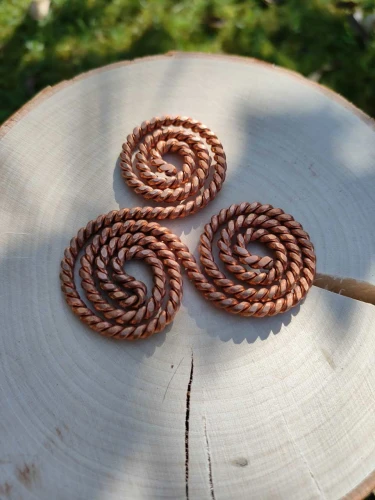
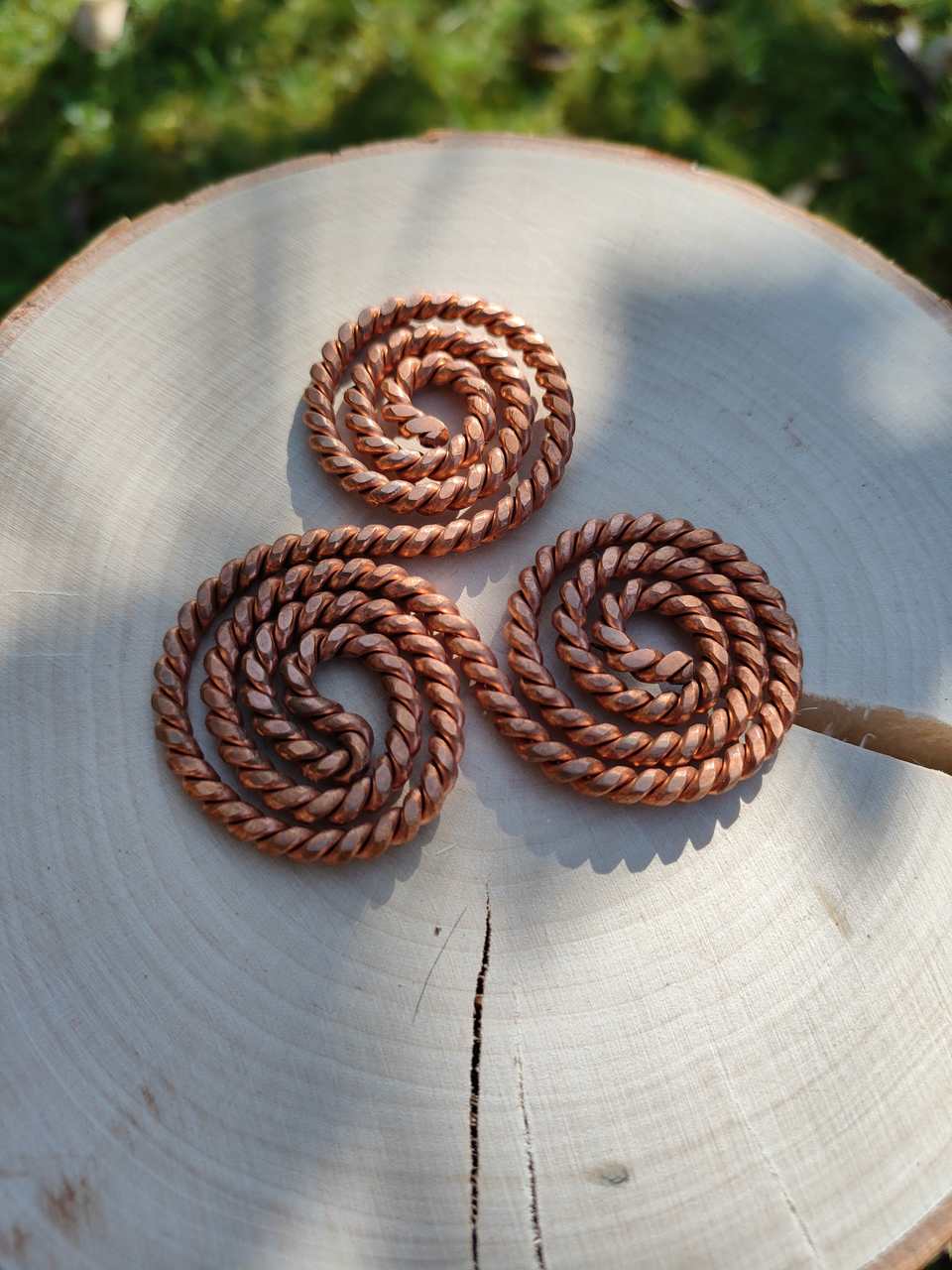
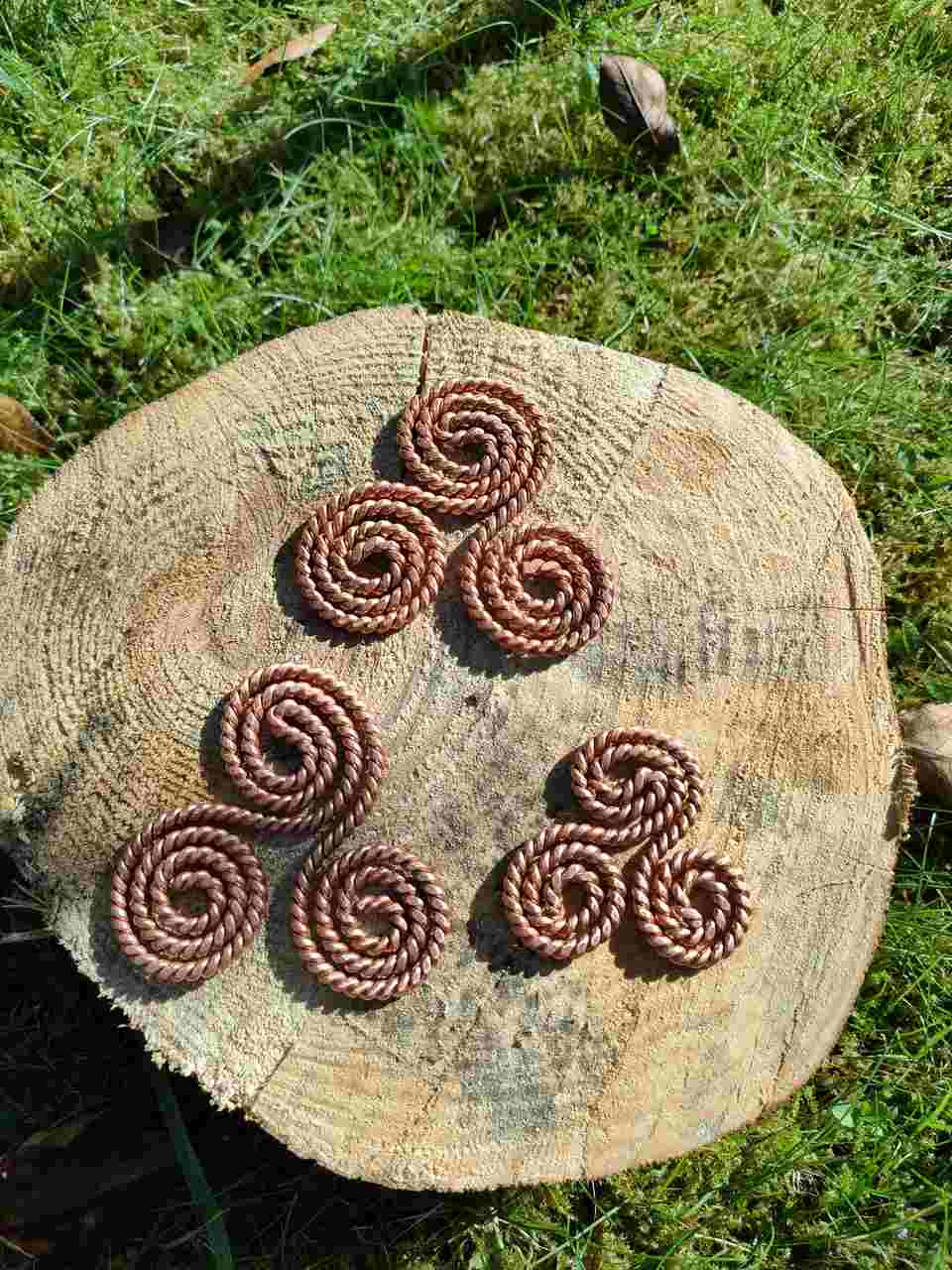
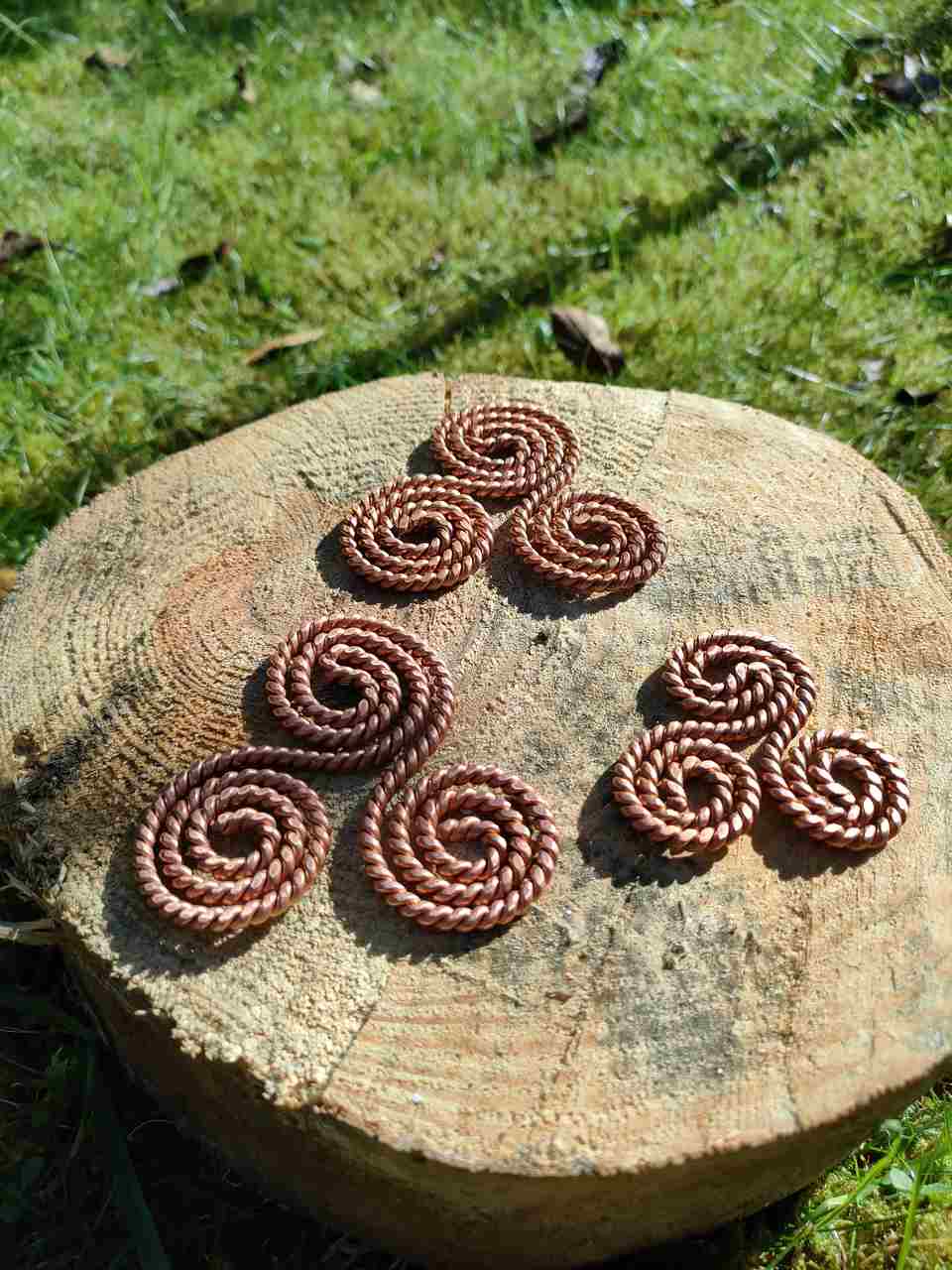
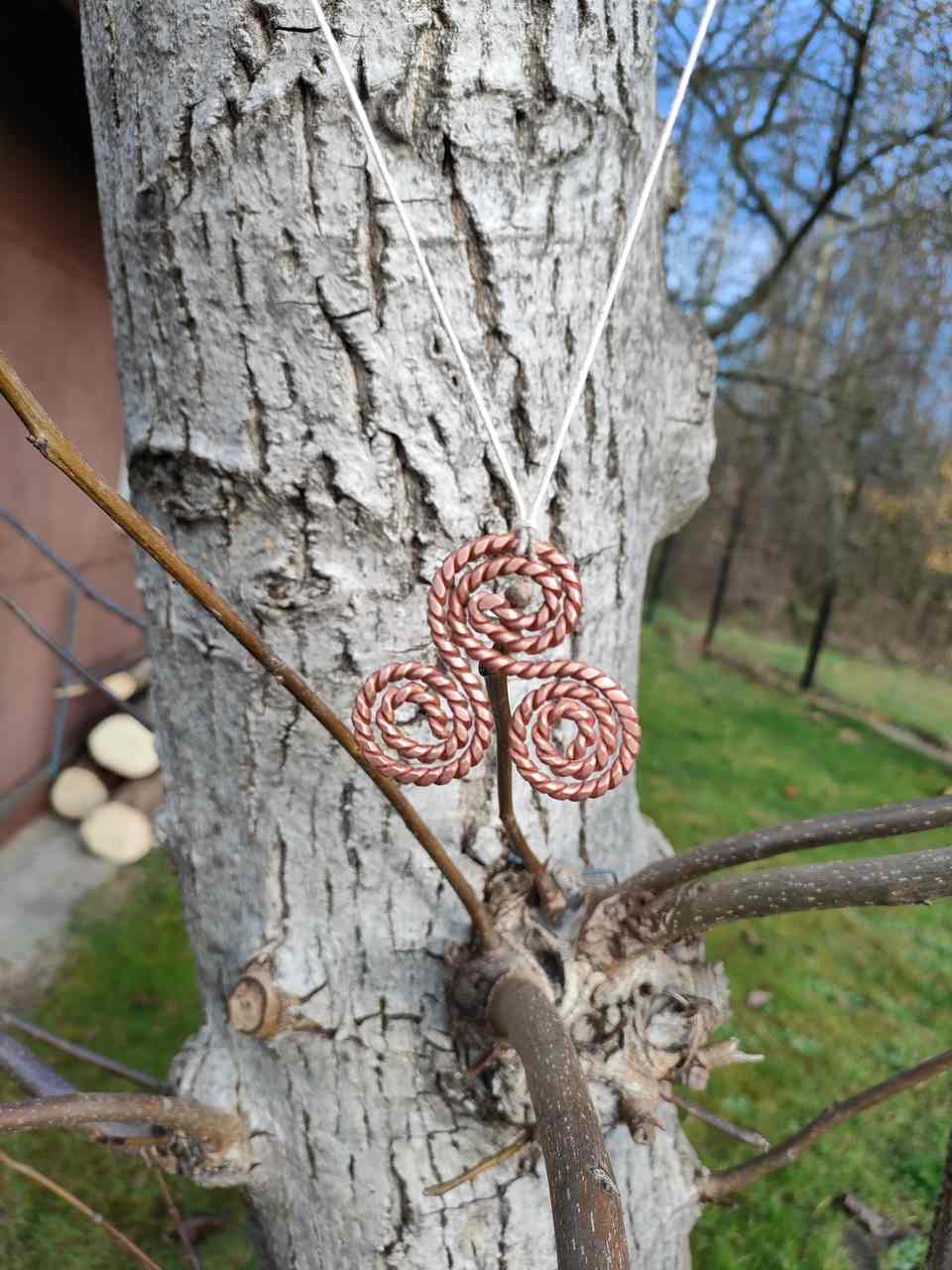
Tensor Pendant "Triskelion" (various frequencies)
 0
0
 "Pin It")
Description
TRISKELION
Triskelion, or triskelion, comes from the Greek word τρισκελής (triskeles), literally meaning tripod or tripod-like. While most of us may not be familiar with the name, we have certainly seen more than once this distinctive sign made up of three equal arms, spirals or meanders, which together form a geometric pattern called a cyclic group. Triskels had a special meaning related to the constant movement and dynamics of life, and were identified with the movement of the sun, the elements and time. Learn about the universal symbol triskelion - the meaning of the sign in the cultural circle of the old continent.

Triskelion - origin
Triskelion by scholars is counted among some of the oldest symbols known to man, which were included in a sacred cult and occurred simultaneously in many distant regions. This is evidenced by numerous archaeological sites, the oldest of which is the megalithic passage tomb at Newgrange located in Ireland and dated to 3200 BC. There, triskels were engraved on the walls of the rock at the entrance to the temple.
In Neolithic times, triskel was most often forged in stone, but with the development of civilization and the discovery of metalworking, it increasingly appeared on chest fittings, sarcophagi and as a piece of jewelry. Signs carved in wood can be found in lands once belonging to the Celts, as well as in the art of the ancient Slavs. Triskels also appeared in areas under the rule of the Frankish Merovingian dynasty in the 6th century.
Triskelion - occurrence of the symbol
Over the following centuries the triskelion remained forgotten. Although it was found in relics of Celtic architecture in areas of Ireland, its cult was revived only recently, in the 19th century in the circles of modern Druidic societies. In the 20th century, the triskelion was taken up by France, using the symbol in the nationalist press. Today, the triskelion is used by neo-Nazis as a replacement for the Nazi swastika, which is banned in many countries. To this day, it still appears in Irish art and architecture and can be seen on the flag of the Isle of Man.
Meanwhile, thanks to pop culture, the triskel is widely known and used in many fields, and forms of human activity - in jewelry, the clothing industry, art or logos of many global companies and many others. A very common form of expression of one's interests and belief in the protective power of the Celtic symbol is the triskelion in the form of a tattoo.
Triskelion - the significance of the symbol in European culture
The triskelion was most likely born during the observation of nature by ancient people. This is because some plants have a triskelion fruit structure. Although its origin is unclear, it was certainly a sacred sign, surrounded by reverence and worship by many cultures. A triskelion composed of three equal spirals had different meanings depending on the direction of their twist.
Triskelion - the meaning of the right-handed spiral; it most likely originated first and signified the sun, energy and development and the related processes of rebirth and the emergence of new life.
Triskelion - the meaning of the left-handed spiral; it was created later as the opposite of the right-handed spiral, and therefore meant all opposites. Interestingly, its meaning was related to the soul's journey through successive incarnations to achieve perfection.
The triskelion as a tripartite symbol was understood in many ways. Some believe that it was related to the three elements: water, fire and air. Therefore, in the form of a painting, engraving or jewelry, it was supposed to protect against fire, flood and theft, which is obviously strongly associated with Celtic culture. Triskel could also symbolize the passage of time related to the perception of the past, present and future. It can be successfully identified with the existence of three worlds: the visible, the spiritual and the divine. Some scholars of ancient cultures trace its origin to solar symbolism, and its tripartite structure would signify the three points that the sun reaches during the day: east, zenith and west. Undeniably, the triskele is associated with continual.