


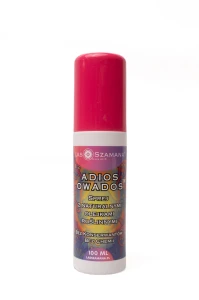


Agaricus extract is a liquid preparation made from the fruiting bodies (and sometimes the mycelium) of Agaricus subrufescens, a Brazilian mushroom also sold as Agaricus blazei Murrill, Sun Mushroom, or Himematsutake. A 30 ml bottle typically lasts a few weeks of daily use. The key distinction is this: Agaricus has a strong modern reputation for immune support and a softer, more traditional reputation for "cleansing," but those are two different kinds of claims. The first is being studied with real but still limited evidence. The second is mostly wellness language and should be read as a description of a daily practice, not a physiological process.
Where the Sun Mushroom Actually Comes From
Many product pages describe Agaricus as an ancient indigenous remedy. The documented history is more recent and, honestly, more interesting. The mushroom grows wild in the hills around Piedade, in the state of São Paulo, Brazil. In the 1960s, a Japanese-Brazilian grower named Takatoshi Furumoto noticed that local people ate it and sent samples to Japan, where it was cultivated and studied from the 1970s onward. In Brazil it became known as cogumelo do sol, the Sun Mushroom, and in Japan as Himematsutake.
The naming is messy. Mycologist Richard Kerrigan showed in 2005 that the cultivated mushroom sold as A. blazei is correctly called Agaricus subrufescens, a species first described in North America in the 1890s. You will also see A. brasiliensis on labels. All three names usually refer to the same culinary mushroom. It has a mild almond aroma and has been eaten as food for decades, which is part of why it is considered relatively approachable.
We mention this history because respectful practice starts with accurate origins. Inventing tribal lore for a mushroom that entered wellness culture through Japanese cultivation does no favors to anyone, least of all to the indigenous traditions that do carry deep plant knowledge.
Agaricus Extract 30 ml: Immunity and Cleansing in Plain Terms
The immunity side
The interest in Agaricus centers on beta-glucans, a family of complex carbohydrates found in fungal cell walls. In Agaricus, the most discussed are beta-1,3 and beta-1,6 glucans. In laboratory and animal research, these compounds interact with immune cells such as macrophages and are described as immunomodulating, meaning they may influence how immune signaling behaves rather than simply "boosting" it.
What matters for a careful buyer is where that evidence comes from. Reviews published between 2008 and 2012 found a large body of cell and animal studies, plus a small number of human trials that were short, small, or used specific proprietary products. That is enough to explain why Agaricus is traditionally used and widely sold for seasonal immune support. It is not enough to say it prevents or treats any illness. A fair summary: Agaricus may support normal immune function as part of an overall healthy routine.
The cleansing side
"Cleansing" is a word borrowed from older herbal traditions, where certain plants were taken during seasonal transitions to mark a reset in diet and habits. Your liver and kidneys already do the physiological work of clearing waste, and no mushroom extract replaces them. Agaricus does contain antioxidant compounds, including ergothioneine and ergosterol, and some animal studies have looked at liver markers. Human data on this point are thin.
The most honest way to use the word: a cleansing period is a stretch of weeks where you simplify. You eat more plainly, drink more water, sleep earlier, reduce alcohol, and add one supportive daily ritual. Agaricus extract can be that ritual. The value often comes as much from the consistency and attention as from the bottle itself.
Why an Extract and Not Just Powder
Mushroom cell walls are built partly from chitin, the same tough material found in insect shells. Humans digest it poorly, so a raw dried powder releases only part of what the mushroom contains. Extraction is the step that makes those compounds available.
- Hot water extraction pulls out the water-soluble polysaccharides, including beta-glucans. This mirrors how mushrooms have traditionally been prepared as broths and teas.
- Alcohol extraction draws out compounds that do not dissolve well in water, such as sterols and some triterpenoids.
- Dual extraction combines both, and the result is often preserved as a liquid tincture in dark glass to protect it from light.
Liquid extracts are convenient because you can measure them by the dropper and adjust gently. Holding drops under the tongue for a moment before swallowing is a common habit, though there is no strong evidence that this changes how beta-glucans, which are large molecules, are absorbed. Taking it in water or tea is perfectly reasonable.
How to Read an Agaricus Label
Quality varies widely across the mushroom market. A few questions separate a careful product from a vague one:
- Fruiting body or mycelium? Fruiting body extracts are made from the mushroom itself. Mycelium grown on grain can contain a lot of starch from the substrate, which some tests mistakenly count as glucans.
- Is beta-glucan content stated? The respected method is the enzymatic assay described by McCleary and Draga in 2016, which distinguishes true beta-glucans from starch. A stated percentage without a method is less meaningful.
- What is the extraction ratio and solvent? A label that names water, alcohol, and a ratio tells you more than one that says only "potent."
- Where was it grown? Mushrooms absorb what is in their substrate, so heavy metal testing matters, especially for products from unknown sources.
Safety and Boundaries
A grounded practice includes knowing when not to use something. Agaricus is eaten as food, but concentrated extracts deserve more care.
- Memorial Sloan Kettering Cancer Center notes case reports of liver problems in people taking Agaricus products, as well as possible effects on blood sugar. If you have liver concerns or diabetes, speak with a clinician first.
- Like other Agaricus species, including the common button mushroom, it contains agaritine. Reviews flag this as a reason to choose tested products and avoid very high long-term intake.
- In 2006, Japan's health ministry asked one manufacturer to suspend a specific Agaricus product after a rat study raised concerns. Other products tested did not show the same result, but it is a reminder that sourcing matters.
- Avoid it during pregnancy or breastfeeding, and check with your doctor if you take immunosuppressants, blood thinners, or diabetes medication, or if you have surgery scheduled.
Start with a low amount, follow the dosing on your bottle, and notice how you feel over the first week. Less is often more.
A Simple Daily Ritual Around the Bottle
The ceremonial traditions we respect share one quiet lesson: intention shapes how we receive any plant. You do not need a ceremony to take a mushroom extract, but you can give the moment a little structure.
Morning version
Take your drops at the same time each day, ideally before breakfast. Sit for one minute without your phone. A single drop of a clean essential oil such as cedarwood or frankincense on a diffuser stone, not on the skin undiluted, can mark the space. Breathe slowly, notice your body, and set a plain intention for the day.
Seasonal version
If you want to frame a few weeks as a cleansing period, keep it modest: four weeks with the extract, simpler meals, earlier nights, and a short written note each evening. At the end, take a week off and reflect honestly on what changed. Some people notice steadier routines and better sleep. Others notice little. Both outcomes are useful information.
If you keep a small ritual kit, a cloth pouch for your bottle, a resin or incense you burn mindfully, and a notebook, it can become a gentle anchor. You can explore our aromatic and ritual selection at Rapé Shop if you want to build one, choosing a few pieces that feel right rather than many.
The Bottom Line
A 30 ml Agaricus extract is a well-studied culinary mushroom in concentrated form. The research on immune signaling is promising but early. "Cleansing" is best understood as a period of simpler living that the extract can accompany, not a detox the mushroom performs for you. Choose a product that tells you what is in it, respect the safety boundaries, and let the daily ritual be calm and consistent.
In shop practice, anchor the habit in concrete products: mint essential oil, patchouli essential oil, Forest Pouch. Compare labels in the same language and product form.
Sources
- Firenzuoli F, Gori L, Lombardo G. "The Medicinal Mushroom Agaricus blazei Murrill: Review of Literature and Pharmaco-Toxicological Problems." Evidence-Based Complementary and Alternative Medicine, 2008.
- Wisitrassameewong K, et al. "Agaricus subrufescens: A review." Saudi Journal of Biological Sciences, 2012.
- Kerrigan RW. "Agaricus subrufescens, a cultivated edible and medicinal mushroom, and its synonyms." Mycologia, 2005.
- McCleary BV, Draga A. "Measurement of β-Glucan in Mushrooms and Mycelial Products." Journal of AOAC International, 2016.
- Memorial Sloan Kettering Cancer Center. "About Herbs: Agaricus" monograph, Integrative Medicine Service (accessed for safety and interaction notes).