




An essential oil chemotype is a chemically distinct group of plants within a single botanical species. Two plants can share the same Latin name, look nearly identical in the field, and still produce oils with very different dominant molecules, scents, and handling needs. The key distinction is this: the species tells you what plant you have, while the chemotype tells you what that plant actually makes. If you work with aromatics in a grounding or ceremonial setting, that second fact often matters more than the first.
Species, Cultivar, Origin, Chemotype: Four Different Things
Labels on aromatic oils tend to blur several ideas together. It helps to pull them apart.
- Species is the botanical identity, such as Thymus vulgaris (common thyme) or Salvia rosmarinus (rosemary, formerly Rosmarinus officinalis).
- Cultivar is a variety selected and maintained by growers, usually for appearance, yield, or hardiness.
- Origin is where the plant grew. Origin can shape an oil, but it is not the same as chemotype.
- Chemotype describes a population whose oil is dominated by a particular compound or set of compounds. It is written on labels as "ct." followed by that compound, for example "thyme ct. linalool."
Chemotypes arise largely from genetics. Some plants carry the enzymes that steer their metabolism toward one molecule rather than another. Soil, altitude, and climate can push the numbers up or down, but they generally do not turn one chemotype into another. That is why a careful supplier names the chemotype explicitly rather than assuming the species name says enough.
Classic Examples Worth Knowing
Thyme: the textbook case
Common thyme is the species most often used to explain chemotypes, because wild populations in southern France show a clear patchwork of chemical types. Recognized thyme chemotypes include thymol, carvacrol, linalool, geraniol, thujanol, alpha-terpineol, and 1,8-cineole types. The thymol and carvacrol types are rich in phenols, smell sharp and medicinal-herbal, and are known to be strongly irritating to skin. The linalool type is soft, floral, and far gentler. Same species, very different oils.
Rosemary: camphor, cineole, verbenone
Rosemary is commonly sold as ct. camphor, ct. 1,8-cineole, or ct. verbenone. The camphor type has a woody, almost cooling bite. The cineole type is brighter and more eucalyptus-like. The verbenone type is rounder and greener and is usually more expensive because it is produced in smaller quantities. ISO 1342 even separates rosemary oil into distinct commercial types by origin, each with its own expected chemical profile.
Basil and tea tree
Basil (Ocimum basilicum) can be linalool-dominant, methyl chavicol (estragole) dominant, or eugenol-rich. Each smells and behaves differently, and safety references treat them differently too. Tea tree (Melaleuca alternifolia) has known chemical variation as well, which is why ISO 4730 defines the traded oil as the "terpinen-4-ol type" and sets ranges for its main constituents.
Where Distillation Fits In
Chemotype is set in the living plant, but the oil in your bottle also reflects how it was harvested and distilled. A grower can start with the right chemotype and still end up with an unbalanced oil if the process is rushed.
- Harvest timing. Many aromatic plants shift their chemistry across the season and even across the day. Flowering stage often changes the ratio of key molecules.
- Distillation length. Lighter, more volatile molecules come over early in steam distillation; heavier ones arrive later. Cutting a run short to save fuel can produce an oil that smells "thin" and misses part of its profile.
- Plant material. Leaf, flowering top, wood, and resin give very different results, even from the same plant.
- Temperature and pressure. Excess heat can alter delicate compounds, which is why traditional low-pressure steam distillation is still valued.
So when you read a chemotype label, think of it as a promise about the starting plant. The distiller's care decides how faithfully that promise reaches you.
How to Read a Label and a Test Report
A well-documented aromatic oil should give you more than a pretty name. Look for these details:
- The full Latin binomial, not just "thyme" or "rosemary."
- The chemotype, written as ct. plus the dominant compound, wherever the species is known to vary.
- The part of the plant distilled and the extraction method.
- Country of origin and, ideally, a batch or lot number.
- Access to a gas chromatography (GC or GC-MS) report for that batch, showing the main constituents and their percentages.
You do not need to be a chemist to use a GC report. Check that the dominant compound matches the chemotype on the label, and that its percentage falls within a sensible range. ISO 11024 offers general guidance on how chromatographic profiles for essential oils are presented, and ISO standards for individual oils publish typical ranges you can compare against. If a seller cannot tell you the chemotype or show any testing, treat that as useful information.
Why Chemotype Matters in Aromatic Practice
In many traditions, from Mediterranean herb bundles to Andean and Amazonian use of resins and aromatic woods, the plant was known intimately: where it grew, when it was gathered, how it smelled that season. Chemotype labeling is a modern, laboratory way of honoring the same attention. It asks us to know the plant in front of us rather than a generic idea of it.
In practical terms, chemotype shapes three things you will notice right away:
- Scent character. A linalool-type oil tends to feel quieter and more settling; a phenol- or camphor-rich oil feels sharper and more activating. For an evening grounding ritual, many practitioners reach for the softer types.
- Handling and dilution. Phenol-rich oils such as thymol- or carvacrol-type thyme are known skin irritants and call for strong dilution or diffusion only. Safety literature also urges caution with camphor-rich oils and estragole-rich basil, particularly around children and during pregnancy.
- Consistency. If an oil you love suddenly smells different, a change of chemotype or batch is a likely reason. Knowing this keeps your practice steady.
None of this makes an oil a treatment. Aromatic plants have been traditionally used to mark transitions, clear a space, or settle the mind before quiet work, and scent may support a calmer, more attentive state. That is the honest scope.
A Measured Way to Work With Chemotyped Oils
The European aroma ritual idea of "less is more" applies well here. A few drops in a diffuser for a short session usually give a clearer experience than a room saturated with scent. Some simple boundaries:
- Start with one oil at a time so you learn its chemotype by smell.
- Diffuse in intervals, roughly 20 to 30 minutes, then air the room.
- Dilute any oil before skin contact, and avoid skin use entirely for phenol-dominant types unless you have solid guidance.
- Keep oils away from pets, children, and open flames, and store them cool, dark, and tightly capped to slow oxidation.
- Pair scent with a simple intention: sitting, breathing, journaling, or closing the day.
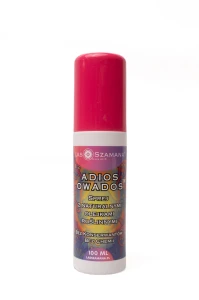
If you want a starting point, our featured aromatic oil is a good place to begin practicing slow, attentive smelling. It sits well alongside a companion aromatic from the same collection, and for those who like to build a small ritual setup, we also offer a complementary ritual item. Whatever you choose, ask for the botanical name and chemotype, and let the oil show you its character before you add anything else.
The Short Version
Species names the plant; chemotype names its chemistry. Good distillation preserves that chemistry, and good documentation lets you verify it. Reading chemotypes is less about technical vocabulary and more about respect: knowing exactly which plant you are inviting into your space, and working with it calmly and in small amounts.
Sources
- Tisserand, R. and Young, R. Essential Oil Safety: A Guide for Health Care Professionals, 2nd edition. Churchill Livingstone/Elsevier, 2014.
- ISO 9235:2021, Aromatic natural raw materials: Vocabulary. International Organization for Standardization.
- ISO 4730:2017, Essential oil of Melaleuca, terpinen-4-ol type (Tea Tree oil). International Organization for Standardization.
- ISO 1342:2012, Essential oil of rosemary (Rosmarinus officinalis L.). International Organization for Standardization.
- European Pharmacopoeia (Ph. Eur.), monographs including Thyme oil, thymol type, and Rosemary oil. European Directorate for the Quality of Medicines and HealthCare (EDQM).
- Thompson, J.D., Chalchat, J.C., Michet, A., Linhart, Y.B., Ehlers, B. Qualitative and quantitative variation in monoterpene co-occurrence and composition in the essential oil of Thymus vulgaris chemotypes. Journal of Chemical Ecology, 2003.