


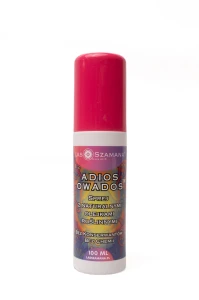


Coriolus extract is a concentrated liquid made from Trametes versicolor (formerly Coriolus versicolor), the fan-shaped bracket fungus known in English as turkey tail and in Chinese tradition as yun zhi, "cloud mushroom." Most people miss one key distinction. A 30 ml extract is not powdered mushroom in a bottle. It is the result of drawing specific compounds, mainly polysaccharides, out of a tough woody fungus with water and often alcohol. That process decides what you actually receive. This guide explains what "cleansing and regeneration" can honestly mean for turkey tail, what the research does and does not show, and how to use a small bottle with care.
Coriolus Extract 30 ml: Cleansing and Regeneration in Plain Terms
Words like "cleansing" and "regeneration" are used loosely in the wellness world, so it helps to say what we mean. We do not mean that a mushroom extract pulls toxins out of your organs or repairs tissue. No reputable source supports that, and we will not claim it.
In the herbal traditions that value turkey tail, "cleansing" describes a period of simplifying. You eat more plainly, drink more water, sleep on a regular schedule, and add a gentle botanical as part of a steady routine. "Regeneration" describes the recovery that comes from that consistency over weeks, not a sudden change. Turkey tail has traditionally been used as a supportive, long-term ally in this kind of reset. That is a modest role, and a respectable one.
Where Turkey Tail Comes From
A fungus found almost everywhere
Turkey tail grows on dead hardwood logs and stumps across North America, Europe, and Asia. Its thin, leathery caps form overlapping rosettes banded in browns, tans, blues, and rusts, which is where the common name comes from. Because it is so widespread, many cultures have noticed it. The best documented traditional use, however, comes from East Asia.
Yun zhi in Chinese materia medica
Yun zhi appears in classical Chinese herbal literature, including Li Shizhen's Bencao Gangmu (Compendium of Materia Medica, completed in 1578). There it was historically described as a tonic for vitality and long life. In practice it was prepared as a long-simmered decoction. That detail matters, because hot water extraction is still the backbone of how quality turkey tail products are made today.
An honest note on ceremony
Turkey tail is not part of the Amazonian rapé tradition, and we do not want to blur those lines. Indigenous Amazonian peoples have their own plant knowledge, and borrowing their ceremonial language for an East Asian tonic mushroom would be careless. What the two practices do share is a principle many traditions agree on: small, consistent, intentional acts often matter more than dramatic ones.
What Is Actually in the Bottle
Polysaccharides and beta-glucans
The compounds most associated with turkey tail are polysaccharides, especially beta-glucans, which form part of the fungal cell wall. Two protein-bound polysaccharide preparations have been studied for decades. PSK (polysaccharide-K, sold in Japan as Krestin) was developed from a mycelial strain in the 1970s. PSP (polysaccharide peptide) was developed later in China. Both are standardized pharmaceutical-grade preparations used in clinical settings in those countries.
A retail tincture is not PSK or PSP. It may contain related polysaccharides, but in different amounts and forms. Any product that suggests its drops equal those clinical preparations is overstating things. The U.S. National Cancer Institute's summary on medicinal mushrooms is a good place to read what was studied, how, and with what limits.
Why extraction matters
The fungal cell wall is built partly from chitin, the same tough material found in insect shells. Human digestion does not break chitin down well. That is why the traditional method was long simmering, and why modern makers use hot water extraction. Many also add an alcohol extraction step, a "dual extraction," to capture compounds that dissolve in alcohol rather than water and to preserve the finished liquid.
Fruiting body or mycelium?
Some products are made from the fruiting body (the visible mushroom). Others are made from mycelium grown on grain, which can carry a lot of leftover starch. Neither is automatically bad, but it is worth asking which one you are buying. Laboratory methods exist to measure beta-glucan separately from starch, such as the enzymatic assay described by McCleary and Draga in 2016. A maker who can tell you the source material and extraction method is usually a maker you can trust.
Building a Calm Daily Practice
Start with intention, not quantity
Follow the dosage printed on your bottle, since concentrations vary between makers. A common approach is a set number of drops once or twice a day, taken under the tongue or stirred into warm (not boiling) water or tea. More is not better. A 30 ml bottle is meant to be used slowly and consistently, which suits the reset described above.
Pairing it with grounding rituals
Many of our customers fold their extract into a short morning or evening pause. A simple shape for that pause:
- Clear the space. Open a window, or light a small amount of incense or resin. One stick or a pinch is enough.
- Settle the breath. Sit for two or three minutes. If you use essential oils, one or two drops of something soft like lavender or cedarwood in a diffuser works better than a strong blend.
- Take your drops with attention. Notice the earthy, slightly bitter taste. Hold it under the tongue for a moment before swallowing.
- Close simply. A glass of water, a written note about sleep or mood, then on with your day.
Keeping a brief written record over three or four weeks is the most honest way to see whether the routine is serving you.
Setting boundaries
Turkey tail is generally well tolerated, but it is not right for everyone. Mild digestive upset and darkened stools have been reported. Speak with a qualified healthcare professional first if you are pregnant or breastfeeding, take immunosuppressant or other prescription medications, are preparing for surgery, or are under treatment for any serious condition. Remember that many tinctures contain alcohol, which matters for some people. An extract can be one part of a healthy routine. It is not a substitute for medical care.
Storing and Caring for Your Extract
Keep the bottle tightly closed, upright, and away from heat and direct sunlight. Dark glass helps protect the contents, but a cool cupboard does the rest. Wipe the dropper tip after use and avoid touching it to your mouth, so the bottle stays clean. Check the label for a best-before date, and if the smell or color changes noticeably, replace it.
Choosing Thoughtfully
If you want to explore turkey tail as part of a slower, grounded routine, our Coriolus Extract 30 ml is a good place to begin. Read the label for the source material and suggested amount, and give the practice a few weeks before judging it. You can also browse the wider Rapé Shop collection for incense and aromatic tools that pair naturally with a quiet daily pause. Take your time and use it with respect.
In shop practice, anchor the habit in concrete products: mint essential oil, patchouli essential oil, Forest Pouch. Compare labels in the same language and product form.
Sources
- National Cancer Institute. Medicinal Mushrooms (PDQ), Health Professional Version. U.S. National Institutes of Health, regularly updated.
- Memorial Sloan Kettering Cancer Center. About Herbs database: Coriolus versicolor (turkey tail) monograph, regularly updated.
- Wasser, S. P. "Medicinal mushroom science: Current perspectives, advances, evidences, and challenges." Biomedical Journal, 2014.
- McCleary, B. V., and Draga, A. "Measurement of β-glucan in mushrooms and mycelial products." Journal of AOAC International, 2016.
- Li Shizhen. Bencao Gangmu (Compendium of Materia Medica), completed 1578. Classical Chinese herbal reference.