


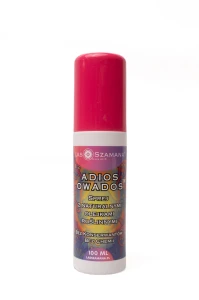


A shiitake extract is a concentrated liquid made from the mushroom Lentinula edodes, usually prepared with water and alcohol so that both the water-soluble polysaccharides and the less water-soluble compounds end up in one small bottle. The key distinction is this: a shiitake extract is not the same thing as eating shiitake. The cooked mushroom on your plate is a food with a long culinary history. The extract is a measured, concentrated preparation that you take in drops, and it deserves the same care you would give any other botanical you bring into a daily practice.
This guide explains what is actually in a Shiitake Extract 30 ml, what tradition and current research say about digestion and the body's protective systems, where the evidence stops, and how to use it calmly and responsibly.
Shiitake Extract 30 ml: Digestion and Protection in Context
Shiitake has been cultivated on hardwood logs in China for roughly a thousand years, and in Japan for centuries. In Chinese it is often called xianggu, the "fragrant mushroom." In Japanese kitchens, dried shiitake soaked in water forms a base for dashi, a broth valued for its deep savory character. Across both cultures the mushroom has been treated as a nourishing food, eaten through the cold months and offered to elders and the convalescing as part of an ordinary, sustaining diet.
That heritage matters because it sets the right tone. Shiitake was never a dramatic, single-dose remedy. It was a steady presence at the table. A modern extract carries that same spirit best when it is used the same way: consistently, in small amounts, as one part of a balanced life rather than as a fix.
What Is Actually in the Bottle
Mushrooms are built differently from plants. Their cell walls are made largely of chitin, the same tough material found in insect shells, along with complex sugars called beta-glucans. The human gut does not break chitin down easily, which is one reason extraction exists at all.
Beta-glucans and lentinan
Shiitake contains a beta-glucan called lentinan, a large polysaccharide with a beta-1,3 backbone and beta-1,6 side branches. Lentinan is water-soluble, so it is drawn out mainly by the hot water stage of extraction. Beta-glucans as a group behave somewhat like dietary fiber: they are not digested in the small intestine and travel onward to the colon, where gut bacteria can ferment them.
Other compounds worth knowing
- Ergothioneine, an amino acid derivative that mushrooms produce in notable amounts and that researchers study for its antioxidant properties.
- Eritadenine, a compound specific to shiitake that has been studied mainly in animal models in relation to blood lipids.
- Sterols and minor aromatic compounds, which are better captured by the alcohol stage of a dual extraction.
Why dual extraction
A dual extract uses two solvents. Hot water pulls out the polysaccharides, and alcohol pulls out compounds that do not dissolve well in water. The two liquids are then combined. The result is a broader profile than either method gives alone. The alcohol also acts as a natural preservative, which is why a dark glass dropper bottle can stay stable for a long time when stored away from heat and light.
Digestion: What Tradition Suggests and What Research Shows
Traditionally, shiitake was eaten as a warming, easy-to-digest food, often in broths. That framing is helpful: it was understood as gentle on the stomach and supportive of regular eating patterns, not as a strong digestive agent.
Modern research adds a more specific picture. Because shiitake beta-glucans resist digestion in the upper gut, they reach the colon where they can serve as food for resident bacteria. Reviews of mushroom polysaccharides describe this as a possible prebiotic-like role, meaning these fibers may support a diverse gut microbial community. Most of this work comes from laboratory and animal studies, and human data remain limited. An honest summary: shiitake extract may support digestive comfort as part of a fiber-aware diet, but it is not a substitute for vegetables, legumes, whole grains, water, and unhurried meals.
One practical point: if you are new to concentrated fiber-type compounds, start small. Some people notice mild changes in bloating or bowel rhythm during the first days, which is common with any new source of fermentable fiber.
Protection: Reading the Evidence Carefully
The word "protection" on a shiitake product usually points to the body's own defensive systems, especially the immune tissue that lines the gut. This is where careful reading matters most.
The most cited human trial on shiitake as food is a 2015 randomized study by Dai and colleagues in the Journal of the American College of Nutrition. Healthy young adults ate 5 or 10 grams of dried shiitake daily for four weeks. The researchers measured changes in some immune markers, including certain T-cell activity and secretory IgA, an antibody found in the gut lining. It was a small study of whole cooked mushrooms in healthy people. It does not tell us exactly what a given extract will do, and it does not support claims about any illness.
Lentinan itself has been studied for decades, including as an injectable pharmaceutical preparation in Japan. That clinical use is entirely different from a dropper extract taken by mouth, and the two should never be confused. The fair way to describe a dietary shiitake extract is that it has been historically used to support general resilience and may support normal immune function as part of a healthy lifestyle. In the European Union, no health claim for shiitake extract has been authorized under the nutrition and health claims regulation, which is a useful reminder to keep expectations modest.
How to Bring It Into a Daily Practice
Shiitake fits naturally into a grounding morning or evening routine. A simple approach many practitioners like:
- Follow the label dose. Extract strengths vary between producers, so the label is the only reliable guide for your specific bottle.
- Take it with warmth. Add the drops to a small cup of warm (not boiling) water or broth. This echoes the traditional way shiitake was eaten and softens the alcohol taste.
- Keep it steady. The traditional model is daily, modest, and consistent over weeks. More drops do not mean a better experience.
- Pause and notice. Take a minute to sit with the warm cup before you start the day. The ritual is less about the mushroom than about giving your digestion a calm start instead of a rushed one.
A 30 ml bottle typically holds several hundred drops, so at a modest daily amount it lasts for weeks. Store it upright, capped, and out of direct sunlight.
Who Should Be Careful
- Shiitake dermatitis. A small number of people develop a distinctive streaky skin rash after eating raw or undercooked shiitake. It has been linked to lentinan. If you have reacted to shiitake before, avoid the extract.
- Mushroom allergies. Anyone allergic to fungi should not use it.
- Medications. If you take immunosuppressants, blood thinners, or any prescription medicine, check with a qualified clinician first.
- Pregnancy, breastfeeding, and children. Safety data are lacking, so it is wise to avoid use.
- Alcohol. Dual extracts contain alcohol. If you avoid alcohol for any reason, ask about the base or choose a different format.
Choosing a Good Extract
Look for the Latin name Lentinula edodes, a clear statement of the part used (fruiting body or mycelium), the extraction method, and the alcohol percentage. Dark glass, batch information, and a straightforward label without dramatic promises are good signs. If you would like a carefully prepared option, our Shiitake Extract 30 ml for digestion and protection is made with this kind of transparency in mind, and you can explore it alongside the rest of our ethnobotanical range at Rapé Shop.
Approached with patience and realistic expectations, shiitake extract can be a quiet, nourishing thread in your routine, much as the mushroom has been at Asian tables for generations.
In shop practice, anchor the habit in concrete products: mint essential oil, patchouli essential oil, Forest Pouch. Compare labels in the same language and product form.
Sources
- Dai X, Stanilka JM, Rowe CA, et al. "Consuming Lentinula edodes (Shiitake) Mushrooms Daily Improves Human Immunity: A Randomized Dietary Intervention in Healthy Young Adults." Journal of the American College of Nutrition, 2015;34(6):478-487.
- Bisen PS, Baghel RK, Sanodiya BS, Thakur GS, Prasad GB. "Lentinus edodes: a macrofungus with pharmacological activities." Current Medicinal Chemistry, 2010;17(22):2419-2430.
- Boels D, Landreau A, Bruneau C, et al. "Shiitake dermatitis recorded by French Poison Control Centers." Clinical Toxicology, 2014;52(6):625-628.
- Chang ST, Miles PG. Mushrooms: Cultivation, Nutritional Value, Medicinal Effect, and Environmental Impact. 2nd ed. CRC Press, 2004.
- Regulation (EC) No 1924/2006 of the European Parliament and of the Council on nutrition and health claims made on foods, with the EU Register of authorised health claims.