


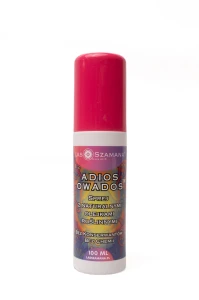


A forest pouch for ceremonial tools is a dedicated soft container that keeps the objects of a plant practice together: an applicator such as a kuripe, a clean cloth, sealed containers of blends, and perhaps a small notebook. The key distinction is that the pouch is a working container, not a sacred object in itself. It does not confer tradition, lineage, or meaning. What it does is protect two very different kinds of things, durable tools and perishable plant materials, so that each session starts from order instead of from searching.
What a forest pouch for ceremonial tools is for, and what it is not
Many Indigenous communities of the Amazon basin carry plant materials and implements in woven bags, gourds, and wrapped bundles. Outsiders often focus on the dramatic moment of a ceremony and overlook the everyday craft around it: keeping things dry, keeping personal items personal, knowing where everything is. That everyday craft is the part a home practitioner can learn from honestly, because it does not require pretending to belong to a lineage.
So it helps to be clear about the limits. A pouch will not make your practice more authentic. It will not replace teaching from people who hold the tradition. It is closer to furniture for attention: a known place where tools rest between uses, so that the decision to begin a session is deliberate rather than accidental.
Two kinds of contents: tools versus materials
The most useful habit is to stop treating everything in the kit as one category. There are really two.
- Tools are durable: applicators, a cloth, a small brush or feather for clearing a surface, a notebook. They need to stay clean and dry, and they wear out slowly.
- Materials are perishable: powdered plant blends, resins, dried herbs. They respond to humidity, light, and air. Their quality changes over weeks and months whether you use them or not.
Mixing the two causes most storage problems. Powder residue migrates onto a cloth, an applicator sits against an unsealed lid, and suddenly you cannot tell what is clean. Keep materials in sealed, labeled containers, and keep tools in their own section so that a loose lid never touches the part of an applicator that will be used.
Moisture, light, and heat: the three quiet enemies
Finely ground plant material has a large surface area, which means it absorbs moisture quickly. Clumping is the first visible sign. A change in smell often follows. Once a blend has taken on damp, there is no reliable way to restore it at home, and it is better to retire it than to guess.
Practical guardrails:
- Store the pouch in a dry room, away from bathrooms, kitchens, and windowsills.
- Keep it out of direct sunlight. Light and warmth gradually flatten the aroma of many botanicals.
- Never leave it in a parked car. Interior temperatures climb far higher than people expect.
- Write the opening date on each container with a pen. A phone note disappears; handwriting on the jar does not.
Personal kit, shared space
In traditional settings, rules about which implements are personal and which are communal are taught in person, by people with the standing to teach them. A shop article cannot substitute for that. For home practice, a conservative rule serves everyone: your applicator is yours, your pouch is yours, and tools that touch the face are not passed around casually.
Basic hygiene does the rest. Wash your hands before opening containers. Wipe applicators after each use and let them dry fully before they go back in the pouch. Wash cloths on a regular rhythm rather than when they look dirty. Store the kit out of reach of children and pets, and ask housemates before you set up a session in shared rooms. Respect includes the people who share your air.
A setup in four zones
The Forest Pouch works best when every item has an assigned place. Check the product page for exact dimensions and materials, then plan a layout like this one.
Zone one: the applicator
One personal applicator, clean and dry, held where it will not rattle against glass or rub against lids. If you own two, ask whether you really use both. A single, well-kept tool usually serves better than a drawer of half-clean ones.
Zone two: sealed materials
Containers with tight lids, each labeled with the product name and opening date. Keep the commercial name on the label so you can reorder exactly what you used, rather than inventing poetic nicknames that blur the record.
Zone three: the cloth
Folded flat, clean, and ideally with a spare if you travel. The cloth defines the surface you work on, which is a small but real way of marking where the session happens.
Zone four: notes
A card or small notebook with a one-sentence intention and any boundaries you have set for yourself: how often, at what time of day, in which room. Short sentences hold up better than long ones when you are tired.
Opening and closing: the pouch as a boundary
A practice needs a clear start and a clear stop. The pouch can supply both without any theatrics. To begin, place it on a stable surface, open it slowly, lay out the cloth, and read your intention sentence once. To end, wipe the applicator, check every lid, fold the cloth, close the pouch, and return it to the same shelf every time.
That return matters more than it seems. People who leave tools scattered between sessions lose track of what is clean and what is open. People who put the pouch back in one place notice quickly when a lid is loose or a cloth needs washing. Repetition trains the hands, and after a couple of weeks the packing itself becomes the quiet transition in and out of practice.
If you like to mark the space with aroma before you begin, keep it measured and separate from the pouch. Resins and incense belong on a heat-safe surface, never stored warm inside fabric next to plant powders. A companion such as this item from our ceremonial collection can sit on the same shelf, as long as it lives in its own container.
Traveling with ceremonial tools
Travel adds two concerns: physical protection and social discretion. Carry the pouch in hand luggage, where temperature stays moderate and nothing heavy crushes it. Check lids the night before and again in the morning. Look up the rules of your airline and destination country before packing any plant materials, since regulations differ widely and change over time. Labels in plain language help if you are ever asked what you are carrying. Calm, honest answers serve you better than vague ones.
In shared accommodation, keep the kit closed and out of sight. Not everyone around you has agreed to share your practice, and discretion is a form of courtesy.
Respecting lineage when you store borrowed traditions
Many of the plant blends sold internationally come from practices developed by specific peoples, such as the Yawanawá, Huni Kuin, and Katukina, over many generations. Storing them carefully is one small way of taking that origin seriously. Others include choosing sources that name where blends come from, reading about the communities themselves rather than only the products, and resisting the urge to collect faster than you learn.
A useful test: if you cannot say where a blend came from and what its label means, it probably should not be in your pouch yet. When you do add something, prefer documented options such as the plant blends in our shop assortment, where names and descriptions are visible, over unlabeled jars from unknown sources. Ethical botanical sourcing starts with being able to trace what you hold.
Caring for the pouch itself
The container needs maintenance too. Every few weeks, empty it completely onto a clean towel. Shake out residue, wipe the lining gently, and let it air before repacking. Follow the care instructions on the product page and avoid soaking unless they say it is safe. If a container ever leaks inside, clean the pouch right away rather than waiting for the next scheduled check.
Retire storage that has stopped doing its job: a broken zipper, a stained lining you cannot clean, no way to separate tools from materials. Contaminated storage quietly undoes careful sourcing. Replacing a pouch is cheaper than replacing everything it spoiled.
Choosing what to add, slowly
The simplest kit is usually the best teacher: one applicator, one blend, one cloth, one intention sentence, for several weeks. Expand only when that loop runs smoothly and you can say clearly what the next item would add. If you are ready to give your tools a dedicated home, the Forest Pouch is a good place to start, and the rest of the shelf can grow at the pace of your practice rather than your shopping cart.
Sources
- World Health Organization: WHO Guidelines on Hand Hygiene in Health Care (2009)
- U.S. Centers for Disease Control and Prevention: Clean Hands guidance
- United Nations Declaration on the Rights of Indigenous Peoples (2007)
- Convention on Biological Diversity: Nagoya Protocol on Access and Benefit-sharing (2010)
- Transportation Security Administration: What Can I Bring?