


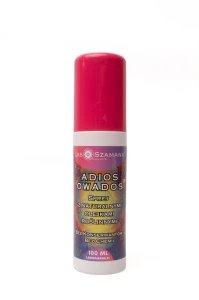


As interest in traditional Amazonian remedies like Rapé and Sananga continues to grow, a pressing concern arises – ensuring that the sourcing of these sacred substances is both ethical and sustainable. Conscious consumers understand that the decisions they make significantly impact not only their well-being but also the environment and the communities that support these ancient traditions. To make responsible choices regarding the use of Rapé and Sananga, it is crucial to understand the significance of ethical sourcing and how to navigate the industry with awareness and discernment.
In this blog, we will explore the importance of ethical and sustainable sourcing practices for Rapé and Sananga, delving into the consequences of unsustainable plant harvesting and the impact on native ecosystems and indigenous communities. We will outline the key principles that underpin responsible sourcing, shedding light on navigating the Rapé and Sananga market to ensure the products you choose to align with your values and highlight the importance of supporting indigenous communities in preserving their traditional knowledge and practices.
By understanding the implications of our choices and embracing conscious consumption, we can contribute to a more sustainable and equitable future for the sacred substances of Rapé and Sananga while also nurturing our personal intention and appreciation for these powerful remedies. As we embark on this exploration, let us unite as advocates for ethical and sustainable practices that support our environment, indigenous communities, and our journey towards greater harmony and wisdom.
The Consequences of Unsustainable Harvesting
Rapid growth in global demand for traditional Amazonian remedies such as Rapé and Sananga can lead to unsustainable harvesting practices that endanger the delicate balance of the region's ecosystems. The over-exploitation of essential plant species not only impacts the natural habitat but also threatens the livelihoods and cultural heritage of indigenous communities that rely on these plant-based medicines for their well-being. As such, unsustainable harvesting can result in severe consequences.
- Loss of biodiversity: When essential plant species are over-harvested, it can lead to decreased population sizes and even the extinction of certain species. This, in turn, disrupts the overall biodiversity and ecological balance within the Amazon rainforest.
- Degraded ecosystems: Removing large amounts of plants can destabilise ecosystems, resulting in erosion, altered nutrient cycles, and disruptions to the food chains that support a wide array of organisms.
- Threatened livelihoods and cultural identity: Indigenous communities have relied upon traditional medicines like Rapé and Sananga for generations. Unsustainable harvesting can erode their resource base, jeopardising their ability to practice their ancestral customs and maintain their unique cultural identity.
Ethical Sourcing in Practice
To preserve biodiversity and sustain the Amazon's delicate ecosystems, as well as safeguard the cultural heritage of indigenous tribes, it is crucial to uphold ethical sourcing practices for Rapé and Sananga. These principles serve as a foundation for ensuring a harmonious relationship between supply chains and the environment:
- Sustainable harvest rates: Seeking suppliers that respect and adhere to sustainable harvest levels helps protect plant populations and allows them to regenerate over time, ensuring that their therapeutic benefits are available for future generations.
- Fair trade principles: Supporting fair trade practices ensures that indigenous communities are treated equitably for their contributions, empowering them to meet their economic, social, and developmental needs.
- Conservation efforts: Ethical suppliers often actively participate in reforestation and conservation initiatives, which can aid in the preservation of vulnerable habitats and species.
Navigating the Rapé and Sananga Market
Making informed choices about the Rapé and Sananga products you buy requires vigilance and a keen understanding of the market. Here are some tips to help ensure that your purchases align with your ethical and environmental values:
- Research suppliers: Conduct thorough research on the brands and suppliers of Rapé and Sananga products. Look for information about their sourcing practices and sustainability initiatives, as well as any certifications or affiliations that signify adherence to ethical standards.
- Prioritise transparency: Opt for suppliers who are open about their ingredient sourcing, cultivation methods, and supply chains. Transparency is a mark of accountability and commitment to ethical practices.
- Seek recommendations: Reach out to others in the holistic health community for recommendations on reliable and ethically sourced Rapé and Sananga products. Word-of-mouth can be a valuable resource in identifying brands that prioritise sustainability and fair trade practices.
- Read product labels and descriptions: Make sure to carefully read product labels and descriptions for indications of sustainable harvesting techniques, fair trade transactions, and support for local communities.
Supporting Indigenous Communities
Many indigenous tribes deeply value their ancestral knowledge of Amazonian plant medicines and have much to offer the world in terms of their deep-rooted wisdom about the natural environment. By making conscious choices to support ethical suppliers of Rapé and Sananga, you contribute to the empowerment and preservation of these indigenous cultures. Responsible suppliers often emphasise the following:
- Respect for traditional knowledge: Honouring and upholding the traditional wisdom of indigenous tribes ensures the preservation and continuation of their ancient practices.
- Partnership and collaboration: Ethical suppliers often collaborate with indigenous communities, fostering a mutually beneficial relationship that supports economic empowerment and maintains stewardship over the rainforest.
- Equitable wages: By offering fair and equitable wages, responsible suppliers ensure that indigenous peoples receive due compensation for their vital contributions to the cultivation and stewardship of these sacred substances.
Conclusion: Embracing Conscious Consumption and Sustainability as a Path to Harmony and Wisdom
Incorporating Rapé and Sananga into our lives through ethical and sustainable means not only deepens our connection with these powerful remedies but also fosters harmony between our consumption practices and our appreciation for the natural environment. By choosing responsibly sourced products, we support the preservation of the Amazon's ecosystems, biodiversity, and the rich cultural heritage of its indigenous communities.
By engaging in conscious consumption and making informed choices, we not only nurture our personal journey towards well-being but also unite in a collective effort to appreciate and safeguard the sacred gift of Rapé and Sananga for generations to come. Together, we can carve a path towards a brighter, more sustainable, and spiritually connected future.
Are you searching for an authentic shaman market? Look no further than Rapee Shop! Our store offers the largest selection of Rapé and Sananga products in Poland, with close connections to tribes in the Amazon forest. Our ethical and authentic approach to shamanic products sets us apart from the rest, so you can trust that you're getting the real deal. Visit us today and experience the power of shamanic healing!