


 Currency
Free shipping
Menu
- SETS
- Rapé® and Accessories
- SANANGA®
- Ambil and ChilcAmbil®
- CEREMONIAL COCOA
- Matcha, tea and herbs
- Mushrooms, supplements, and extracts
- INCENSE
- ORMUS
- COPPER VESSELS
- Tensor Jewelry
- Stones and jewelry
- CEREMONIAL INSTRUMENTS
- Home and body
- KANNA
- Molecular Hydrogen Inhaler
- PRODUCTS
- New products
- Products on sale


€7.58
Regular price:
€10.11

€9.65
Regular price:
€13.79

€7.58
Regular price:
€10.11

€7.58
Regular price:
€10.11

€7.58
Regular price:
€10.11

€7.58
Regular price:
€10.11

€7.58
Regular price:
€10.11

€7.58
Regular price:
€10.11

€7.58
Regular price:
€10.11

€7.58
Regular price:
€10.11

€7.49
Regular price:
€9.99

€7.58
Regular price:
€10.11
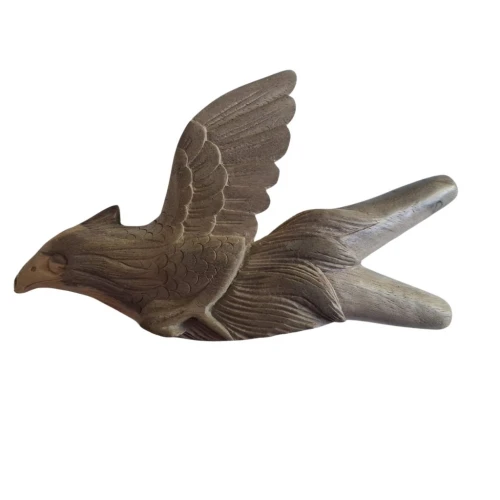
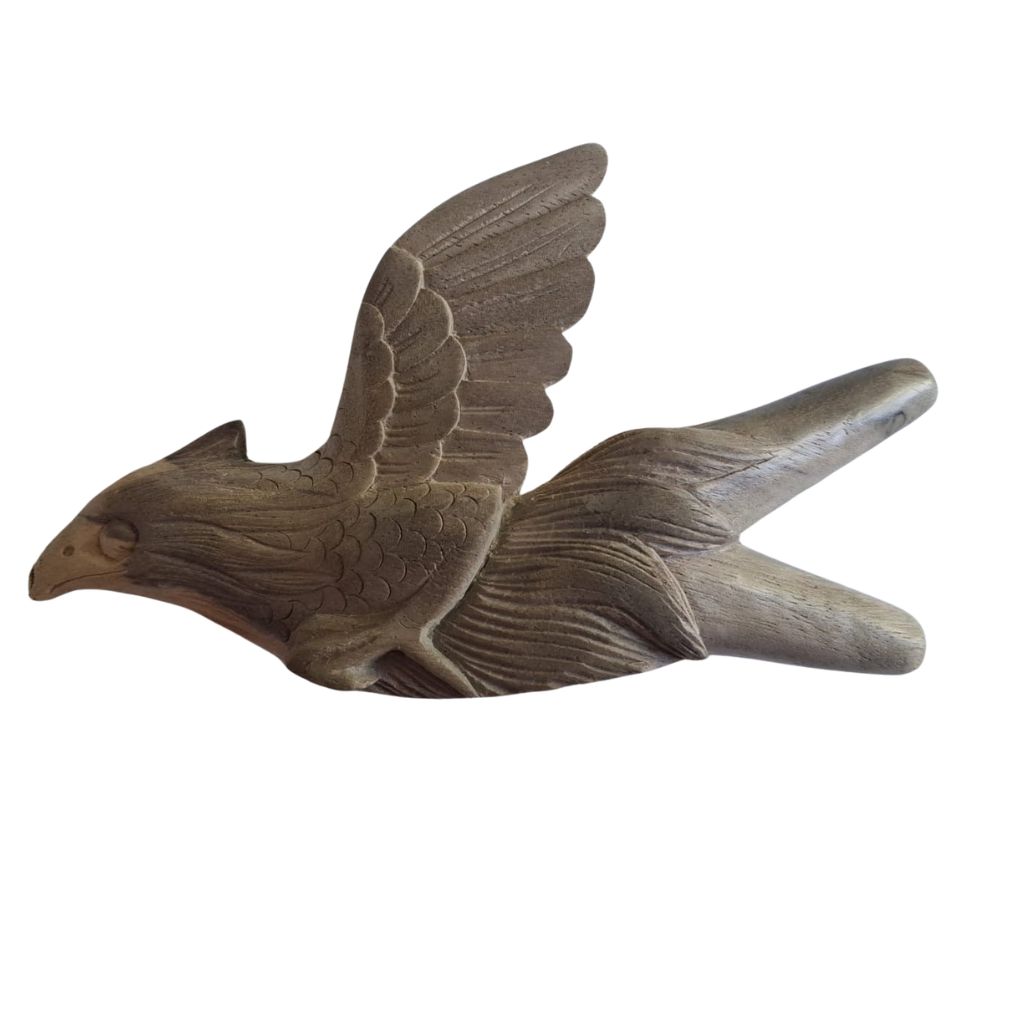
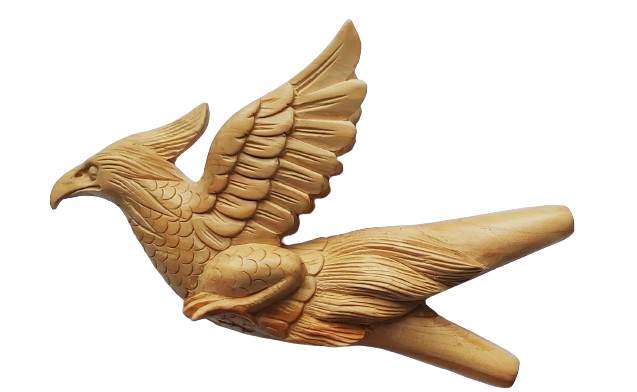
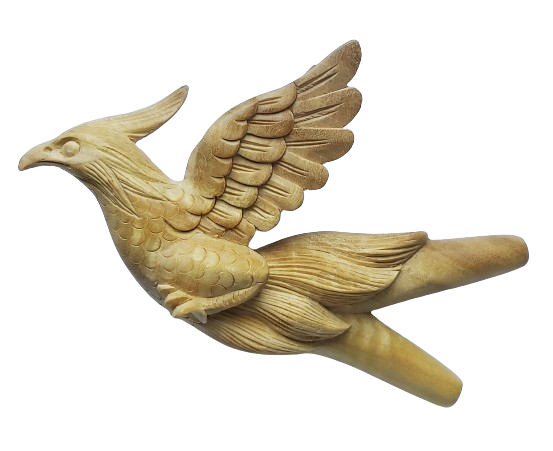
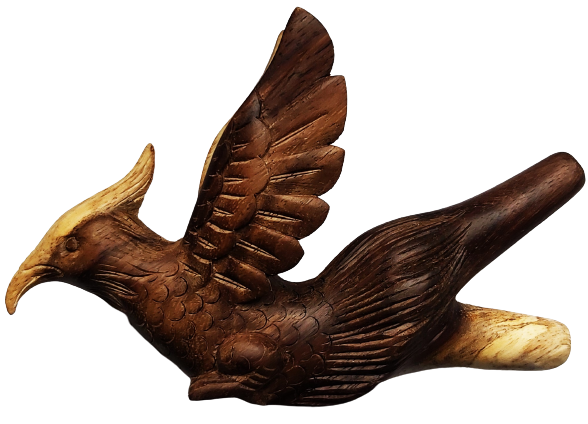
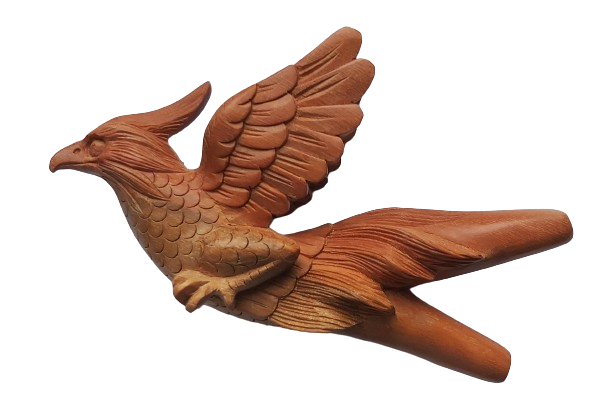
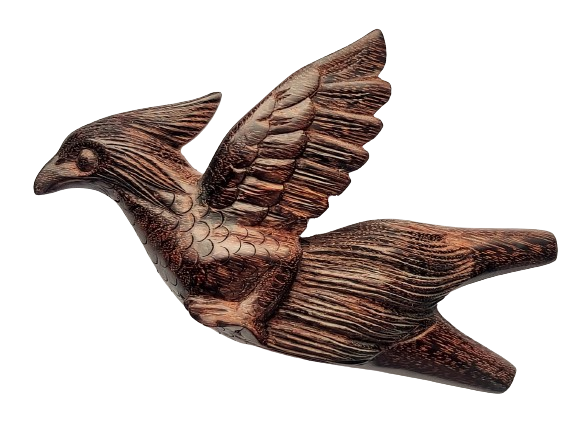
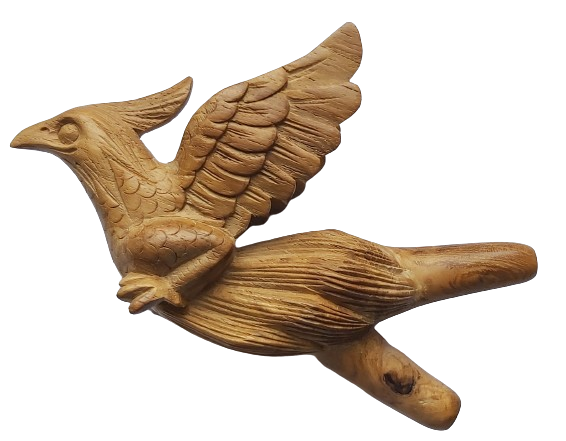
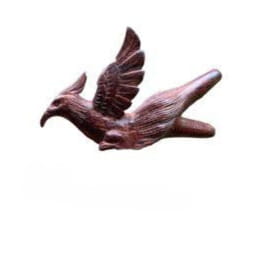
"PHOENIX" Kuripe, choice of wood
 5

Description
One figure, eight woods. The Phoenix Kuripe is carved by hand in Cemara, Waru, Dark Waru, tamarind, teak, crocodile wood, Sawo and Indian rosewood (Sono). Pick the wood you like and the photo above switches to the piece you will receive.
- Motif: phoenix
- Woods: Cemara, Waru, Dark Waru, tamarind, teak, crocodile wood, Sawo, Indian rosewood (Sono)
- Type: kuripe, V-shaped, for personal use
- Size: M
- Craft: hand carved, every piece is unique
The bird that rises from ashes
The phoenix is the bird that burns at the end of its life and rises again from its own ashes. Greek writers placed it in Arabia and Egypt, where it echoed the sacred bennu bird of the sun. In China the fenghuang, a bird of harmony and good fortune, carries a similar light.
Across these traditions the phoenix stands for renewal after loss, for endings that open a beginning, and for the strength that returns after a hard time.
Who it is for
The Phoenix suits people closing one chapter and opening another. Its spread wings rise along the arms of the kuripe, so the carving feels light and upward even in the heavier woods.
Where the kuripe comes from
In the Amazon the kuripe is a personal object. Its V shape has been made for generations from bamboo, bird bone and wood, and it is not lent to others. Its partner, the longer tepi, is used when one person offers Rapé to another.
Here the traditional form meets Indonesian carving, which turns the tool into a piece you will want to keep in sight.
Which wood to choose
The carving is the same in every version; the wood changes the colour, weight and feel in the hand.
Cemara (Vatica cemara). A light, warm wood with a soft, wavy figure. It is the lightest choice in the series, pleasant to carry every day.
Waru (Hibiscus tiliaceus). Wood of the sea hibiscus, a coastal tree with yellow flowers that turn red by evening. Island peoples of the Pacific used it for light boat parts, and carvers love how evenly it cuts.
Dark Waru (Acacia melanoxylon). Known as Australian blackwood. The heartwood ranges from golden brown to deep chocolate and often shimmers in the light. Guitar and ukulele makers value it for the same density and stability that hold fine carved details.
Tamarind (Tamarindus indica). Wood from the tamarind tree, grown across tropical Asia for its fruit. It is tough and dense, and its contrast of light and dark wood brings depth to the carving.
Teak (Tectona grandis). In Java it is called jati. Natural oils keep moisture out, which made teak the classic wood for ship decks. Its golden brown colour darkens gently with time.
Crocodile wood (Zanthoxylum rhetsa). Named after its bark, which is covered with corky cone shaped spines that look like crocodile skin. The wood inside is pale, light and smooth.
Sawo (Manilkara kauki). Dense and tight in structure, it lets the carver cut the finest lines. Indonesian craftsmen have long used it for small precious objects.
Indian rosewood, Sono (Dalbergia latifolia). Known in Java as sonokeling. Dark, heavy and richly streaked, it is a classic of luthiers and cabinet makers. Rosewood trade is regulated by CITES, which makes every piece worth keeping.
Handmade, one of a kind
Every piece is carved by hand. Shade, grain and the smallest details may differ a little. That is the nature of working with wood, and the reason why no two kuripe in this series are the same.
How to look after it
Water is the enemy of carved wood, so skip the tap. A cleaner for kuripe and tepi keeps the channel clear, a dry cloth is enough for the carving, and a soft pouch protects the details when you travel.
Other winged designs
Birds have a strong place in this series, from the Condor and the Eagle to the Hummingbird. All carved designs are in Exotic Kuripe.
Good to know
Which woods is the Phoenix Kuripe available in?
Cemara, Waru, Dark Waru, tamarind, teak, crocodile wood, Sawo and Indian rosewood (Sono).
Will I get the piece shown in the photo?
Yes. Once you choose a wood, the gallery shows the photo of that exact kuripe.
What size is the Phoenix Kuripe?
Every version is size M.