


 Currency
Free shipping
Menu


€7.58
Regular price:
€10.11

€12.23
Regular price:
€17.47

€12.23
Regular price:
€17.47

€9.65
Regular price:
€13.79

€7.58
Regular price:
€10.11

€7.58
Regular price:
€10.11

€7.58
Regular price:
€10.11

€7.58
Regular price:
€10.11

€7.58
Regular price:
€10.11

€7.58
Regular price:
€10.11

€7.58
Regular price:
€10.11

€7.58
Regular price:
€10.11
"GANESHA II" Kuripe, choice of wood
 0

Description
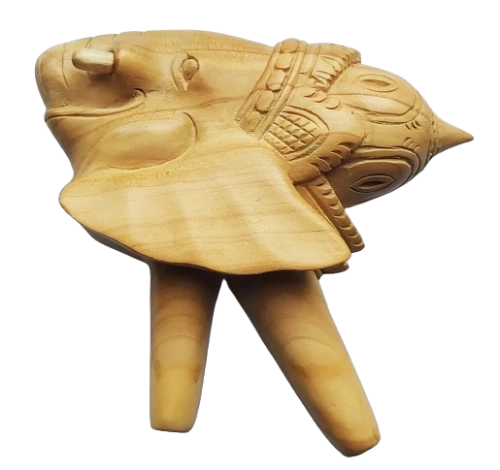
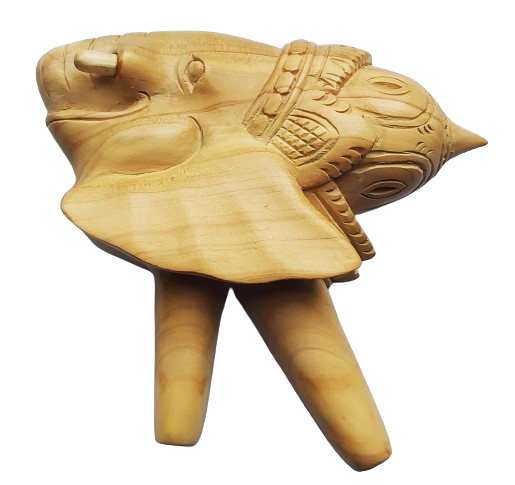
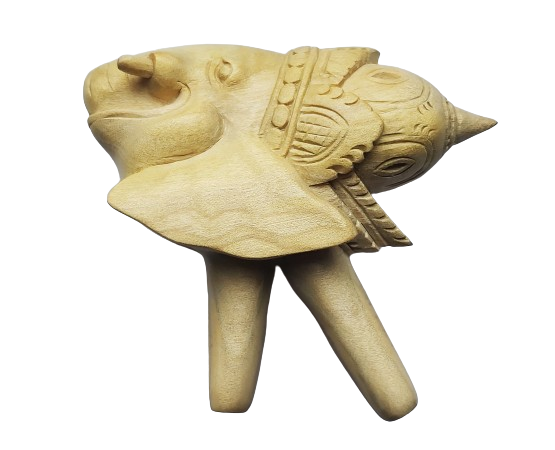
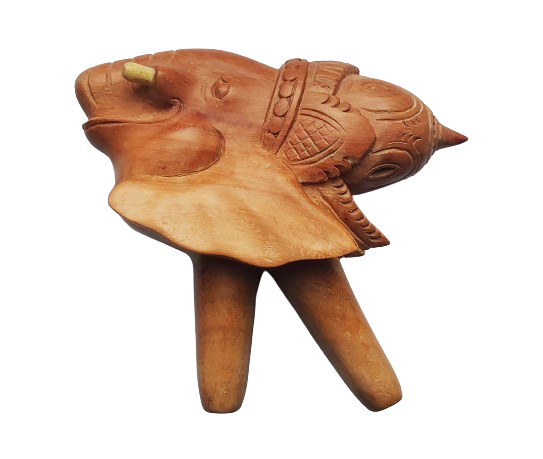
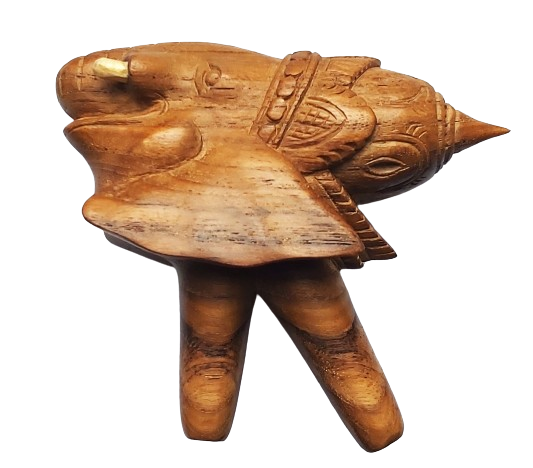
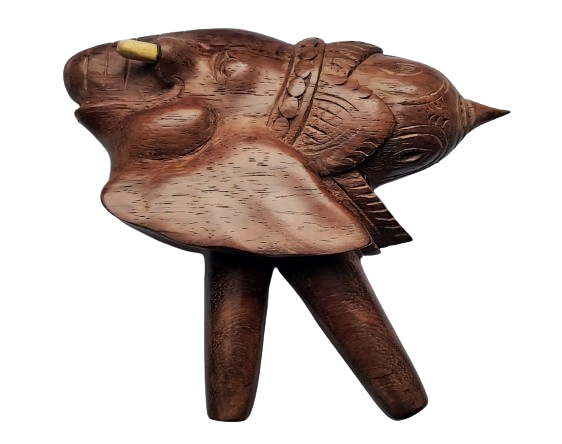
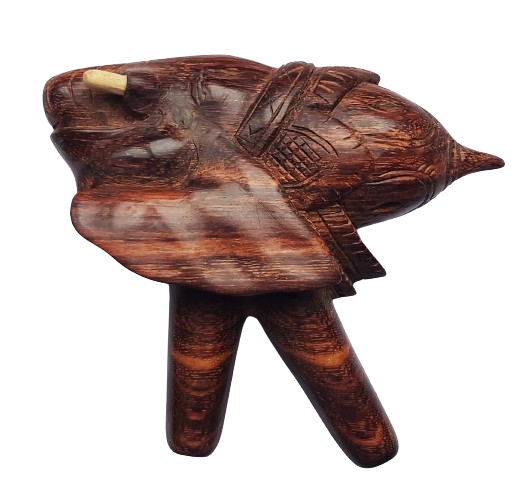
The Ganesha II Kuripe is one carved design offered in eight woods: Cemara, Waru, Dark Waru, tamarind, teak, crocodile wood, Sawo and Indian rosewood (Sono). Choose a wood in the menu above and the gallery shows the photo of that exact piece, with its own price and availability.
- Motif: Ganesha
- Woods: Cemara, Waru, Dark Waru, tamarind, teak, crocodile wood, Sawo, Indian rosewood (Sono)
- Type: kuripe, V-shaped, for personal use
- Size: M
- Craft: hand carved, every piece is unique
Ganesha, guardian of the threshold
In Hindu temples and in Balinese family compounds Ganesha often stands at the entrance. He is greeted first, before anything else begins, because he decides what may pass. His companion is a small mouse, Mushika, a reminder that even the smallest helper can carry a great task.
Ganesha holds sweets called modaka, a sign of the reward that comes after effort, and his curled trunk shows a mind that can bend around difficulties instead of breaking against them.
How Ganesha II looks
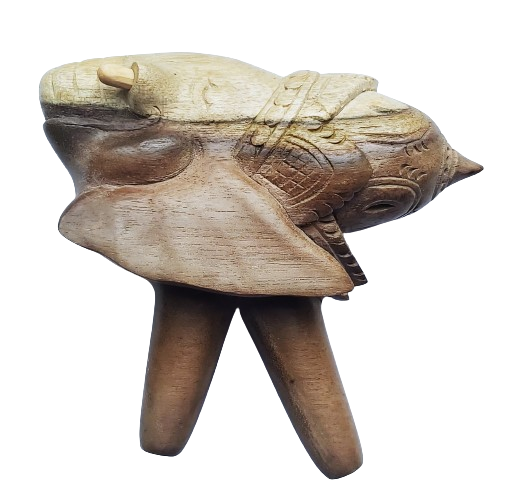
Here the elephant head is carved upright, crowned and decorated, with the ears spread to the sides. The two tubes go down from under the head like legs, so the kuripe can stand on its own on a flat surface, almost like a small statue on a home altar. If you prefer a long, low figure with a reclining head, look at Ganesha I Kuripe.
Why people choose Ganesha II
Many people keep Ganesha II on a shelf or altar between uses, facing the room like a guardian. It is a good choice for someone who wants the kuripe to be visible, not hidden in a pouch, and who likes a figure with a clear, upright presence. Because it stands by itself, it is also easy to set down safely during a quiet moment.
Small differences between pieces
Because every Ganesha II is carved by hand, the crown, the ornaments on the forehead and the angle of the trunk differ slightly from piece to piece. The grain of each wood adds its own pattern, so two kuripe in the same wood are never exactly alike. The photo you see after choosing a wood shows the piece you will receive.
A personal tool of Rapé ceremonies
Peoples of the western Amazon, among them the Yawanawá and the Huni Kuin, use the kuripe in their Rapé ceremonies as a tool for one person only. Classic kuripe are simple; carved ones like this add a figure and a story.
The V shape stays true to tradition, while the carving makes it your own.
One carving, several woods
Short notes on each wood, to help you choose:
- Cemara: pale, warm and the lightest of all
- Waru: sea hibiscus wood, light with an olive tint
- Dark Waru: rich browns that deepen with every year of use
- Tamarind: light and dark wood on one piece, never two alike
- Teak: waxy to the touch, the classic of tropical woods
- Crocodile wood: light and smooth inside a bark armoured with spines
- Sawo: very hard and fine, for the sharpest details
- Indian rosewood (Sono): violet brown noble wood of instrument makers
Handmade, one of a kind
Every piece is carved by hand. Shade, grain and the smallest details may differ a little. That is the nature of working with wood, and the reason why no two kuripe in this series are the same.
Daily care in three steps
First, blow the channel clear and pass a kuripe and tepi cleaner through it. Second, wipe the carving with a dry cloth. Third, put it away in a pouch, never in a damp place, and never soak it in water.
More carved figures
Sacred figures from Bali also appear on the Rangda and Pachamama kuripe. Every carved animal and deity we offer is collected in Exotic Kuripe.
Questions and answers
Which woods is the Ganesha II Kuripe available in?
Cemara, Waru, Dark Waru, tamarind, teak, crocodile wood, Sawo and Indian rosewood (Sono).
Will I get the piece shown in the photo?
Yes. Once you choose a wood, the gallery shows the photo of that exact kuripe.
What size is the Ganesha II Kuripe?
Every version is size M.