


 Currency
Free shipping
Menu


€7.58
Regular price:
€10.11

€7.58
Regular price:
€10.11

€7.58
Regular price:
€10.11

€7.58
Regular price:
€10.11

€7.58
Regular price:
€10.11

€7.58
Regular price:
€10.11

€7.58
Regular price:
€10.11

€7.58
Regular price:
€10.11

€7.49
Regular price:
€9.99

€7.58
Regular price:
€10.11

€7.49
Regular price:
€9.99

€10.62
Regular price:
€15.17
"GANESHA I" Kuripe, choice of wood
 0

Description
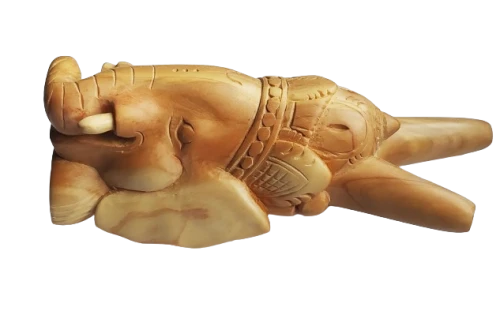
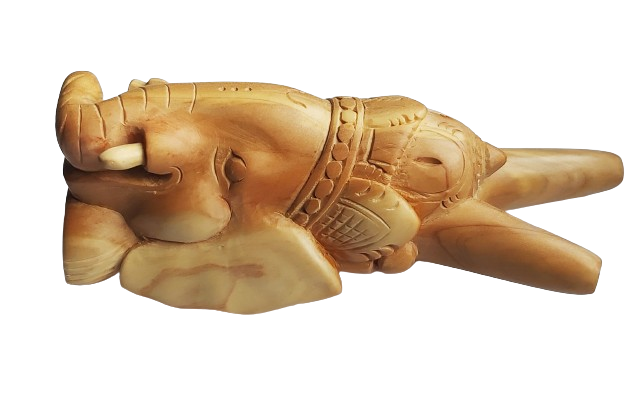
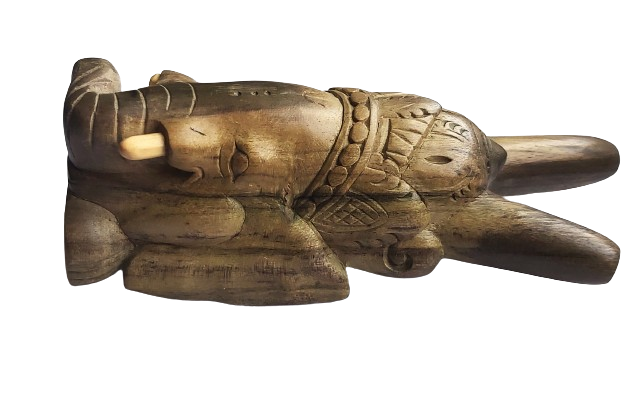
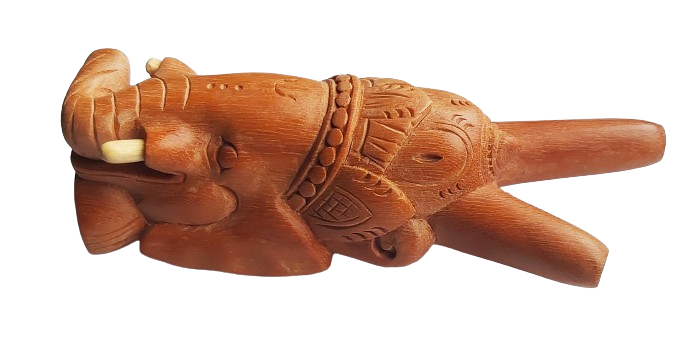
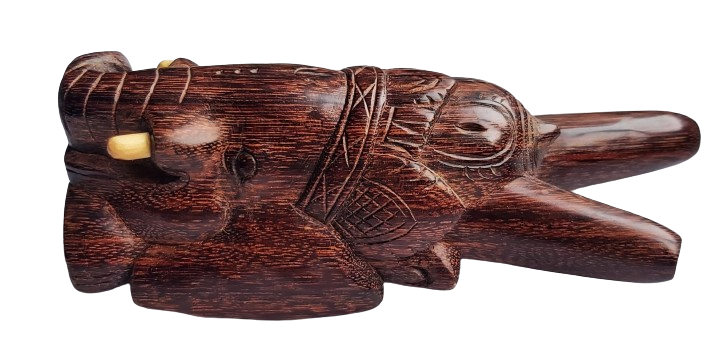
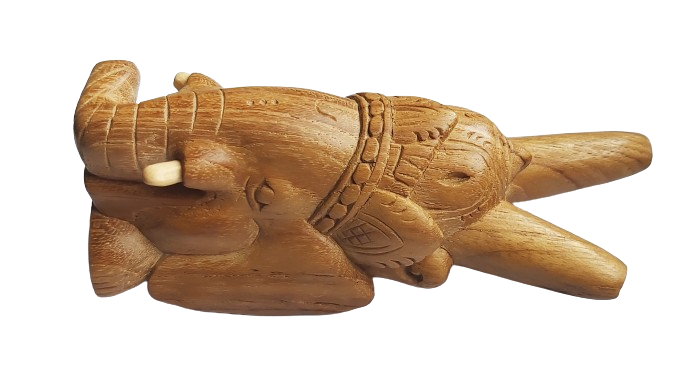
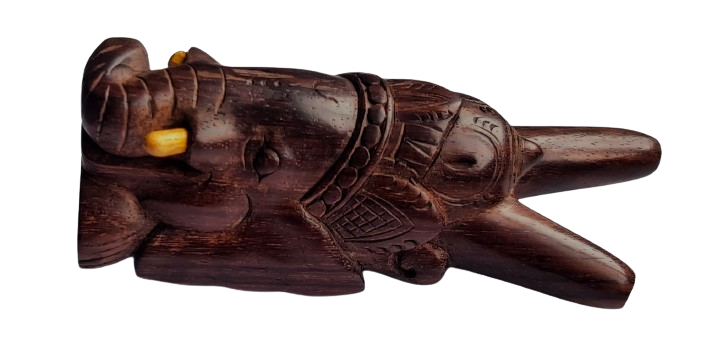
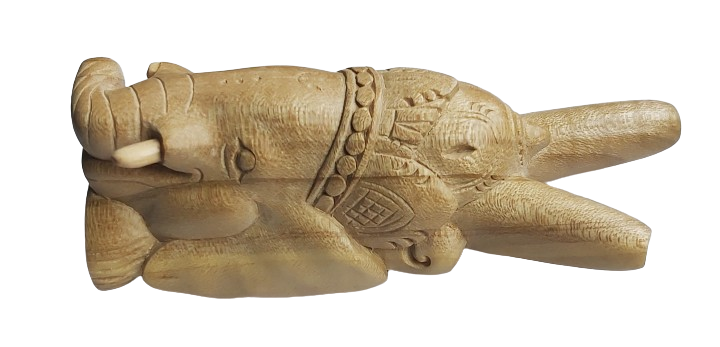
This Ganesha I Kuripe lets you decide what it is made of. The same carving exists in Cemara, Waru, Dark Waru, tamarind, teak, crocodile wood, Sawo and Indian rosewood (Sono). Each wood has its own photo, price and stock, so you see exactly what you buy.
- Motif: Ganesha
- Woods: Cemara, Waru, Dark Waru, tamarind, teak, crocodile wood, Sawo, Indian rosewood (Sono)
- Type: kuripe, V-shaped, for personal use
- Size: M
- Craft: hand carved, every piece is unique
Who is Ganesha?
Ganesha is the elephant headed deity of the Hindu tradition, son of Shiva and Parvati. He is honoured as the remover of obstacles and the lord of beginnings, so his name is spoken before journeys, studies and new undertakings.
In Bali, where Hindu culture is still alive, Ganesha watches over doorways, bridges and crossroads. Carvers there have shaped him in wood and stone for generations, with his broken tusk, large ears and the round belly that holds the world.
What the Ganesha kuripe expresses
A kuripe is a personal object, so the figure you choose stays with you. Ganesha speaks to people who stand at a threshold: starting something new, learning, looking for clarity and patience. His elephant ears listen more than they speak, and that is the quality many people want to carry with them.
How Ganesha I looks
In this version the elephant head rests along the kuripe, as if Ganesha were lying down and listening. The two tubes run almost in one line with the carving, so the whole piece is long and low and sits flat in the hand. If you prefer an upright figure with the tubes pointing down, look at Ganesha II Kuripe.
Why people choose Ganesha I
Ganesha I is often picked by those who carry their kuripe with them, in a pouch or a small box, because its low shape travels well and has no parts that stick out. It also suits people who like a calm, horizontal line in a carving, more like a resting animal than a statue.
Kuripe and Rapé
Rapé is the sacred ceremonial blend of Amazonian peoples, and the kuripe is the personal tool that goes with it. Every owner has their own, made of bamboo, bone or wood, and the bond with it grows over years of ceremonies.
A carved kuripe adds an image to this bond, so the tool tells something about the person who carries it.
The woods at a glance
In short, this is what each wood brings to the carving:
- Cemara: honey toned wood with a soft wave in the grain
- Waru: quiet, even wood from a coastal tree of the tropics
- Dark Waru: dark acacia with a shimmering figure, loved by luthiers
- Tamarind: hard wood with creamy edges and a red brown core
- Teak: golden, oily and resistant to moisture
- Crocodile wood: almost ivory pale, named after its spiny bark
- Sawo: very hard and fine, for the sharpest details
- Indian rosewood (Sono): deep colour and a cool, heavy feel
Small differences, real craft
Two kuripe of the same design are never twins. The carver follows the grain of each block, so lines, depth and tone change slightly from piece to piece, and the photo of each wood shows you exactly which one you get.
How to look after it
Water is the enemy of carved wood, so skip the tap. A cleaner for kuripe and tepi keeps the channel clear, a dry cloth is enough for the carving, and a soft pouch protects the details when you travel.
More carved figures
If you are drawn to sacred figures from Bali, look at the Rangda and Goddess kuripe as well. The full range of carved animals and deities is in Exotic Kuripe.
Frequently asked questions
Which woods is the Ganesha I Kuripe available in?
Cemara, Waru, Dark Waru, tamarind, teak, crocodile wood, Sawo and Indian rosewood (Sono).
Will I get the piece shown in the photo?
Yes. Once you choose a wood, the gallery shows the photo of that exact kuripe.
What size is the Ganesha I Kuripe?
Every version is size M.